Meaning
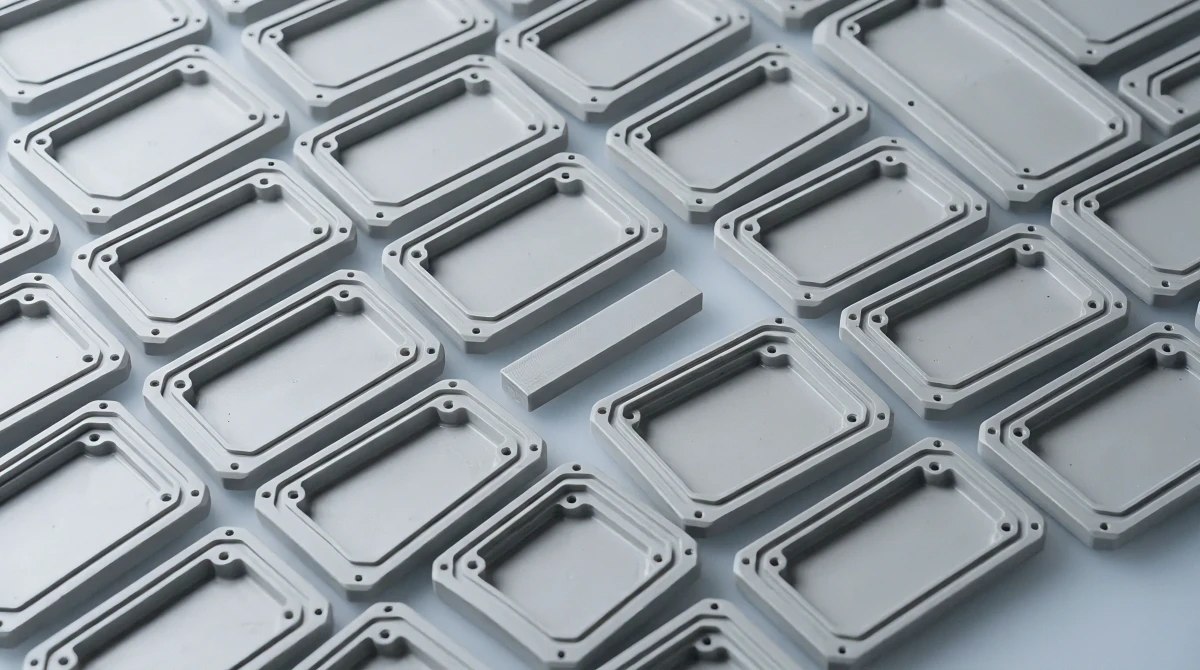
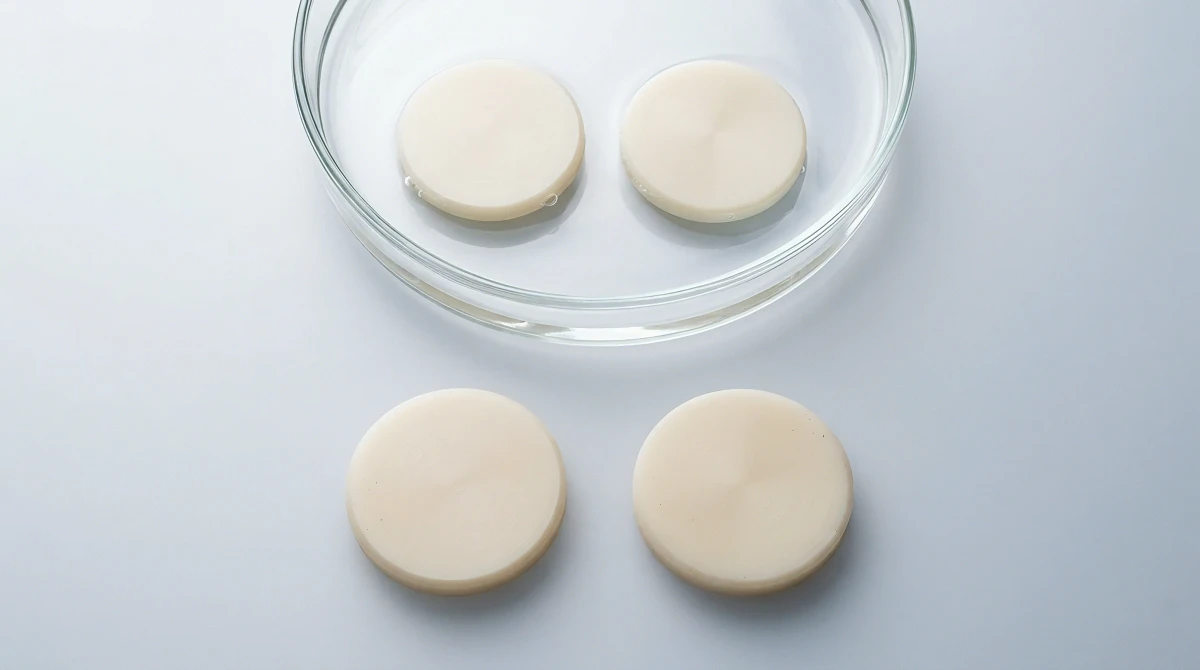
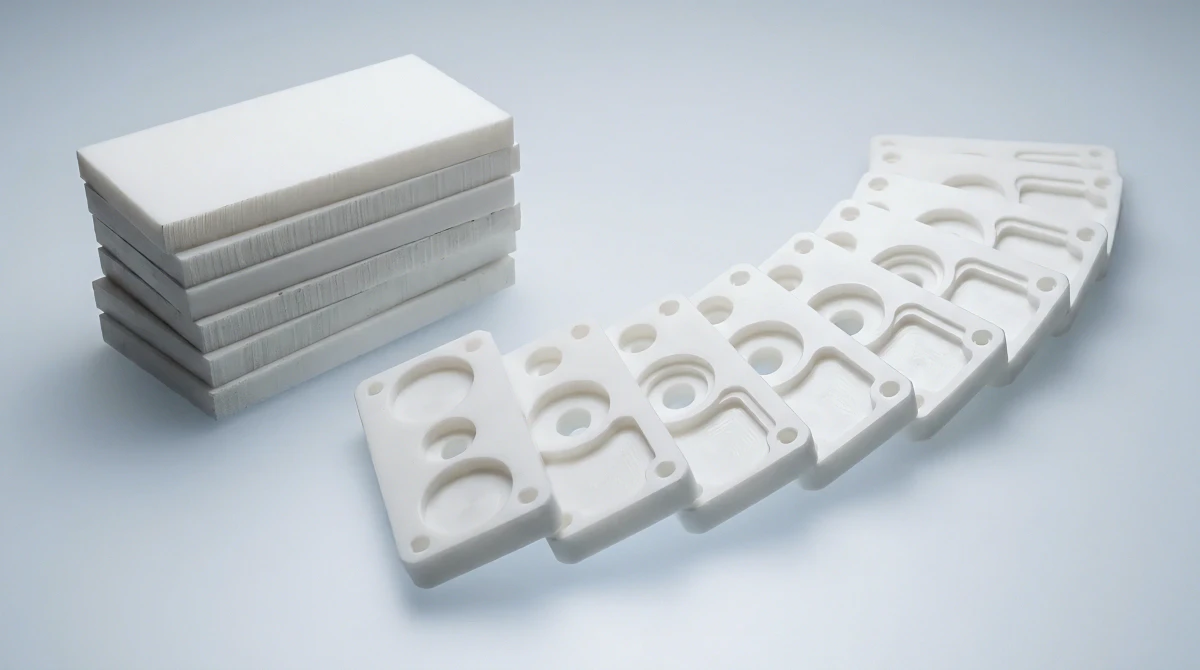
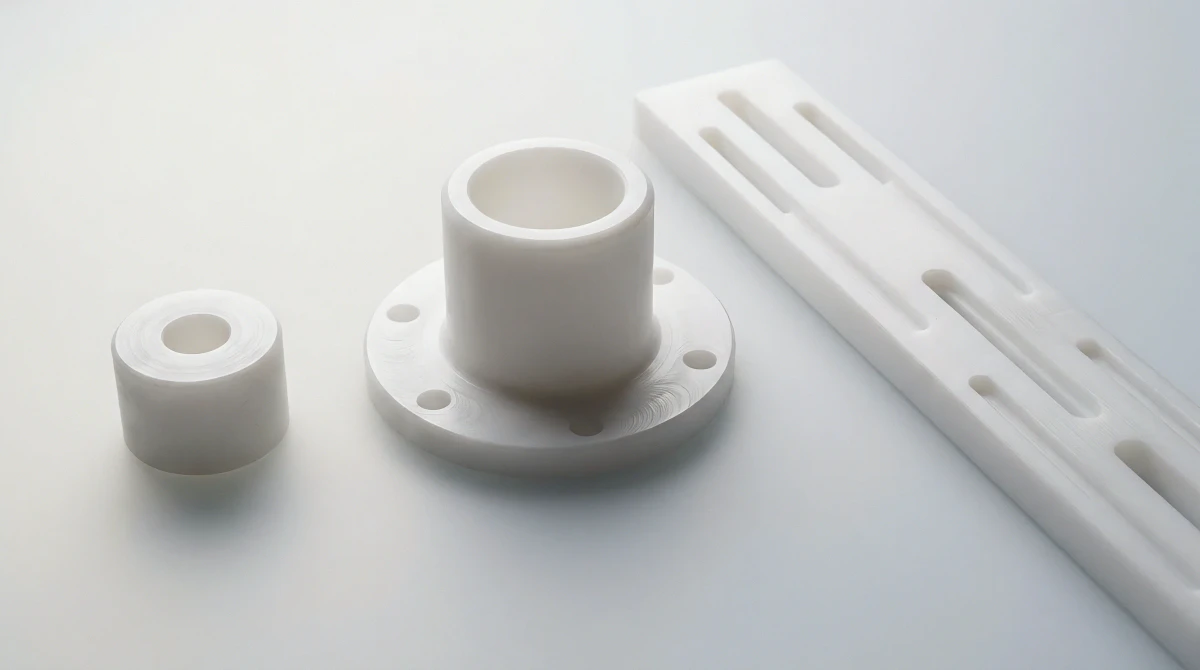
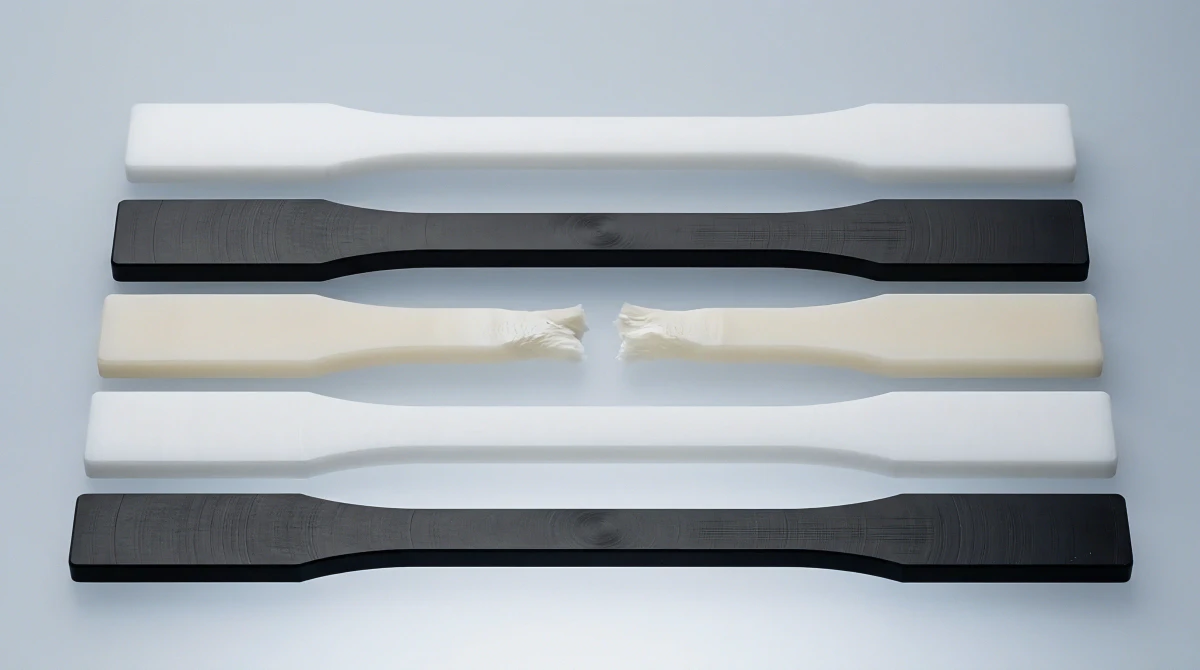
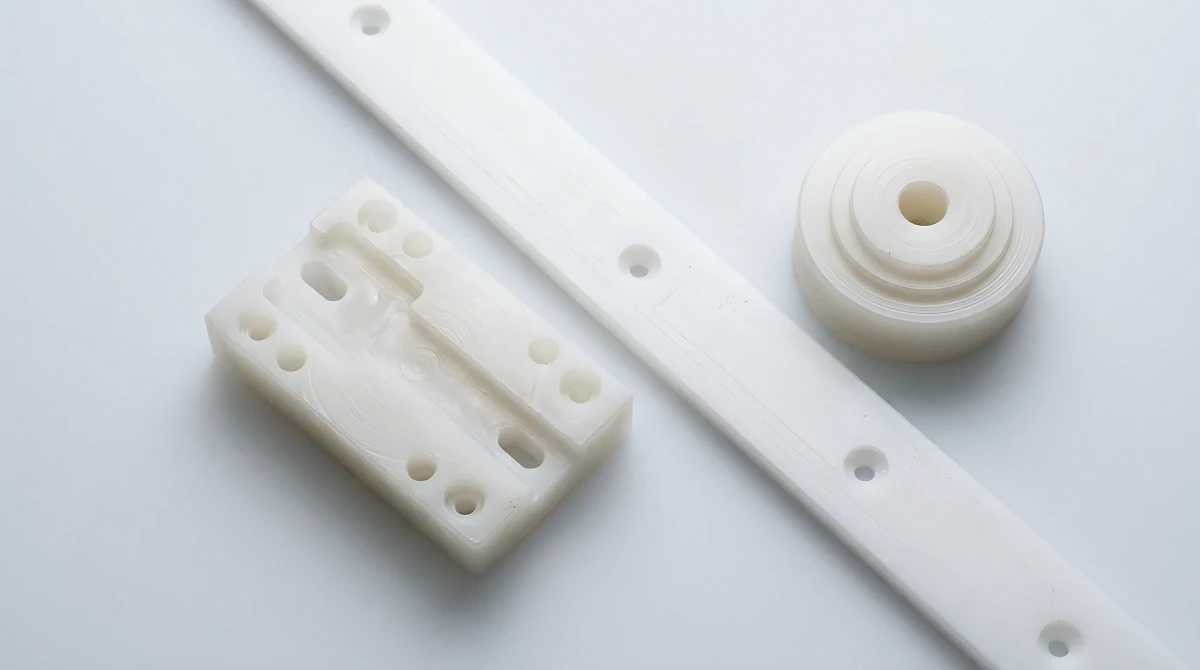
Plate, also called sheet, is the flat stock shape that flat machined plastic parts are cut from. It is supplied extruded, cast or compression molded, in standard thicknesses with a plus tolerance. Its production method fixes how much stress it carries and how flat it stays when material is removed. For thin, flat parts the choice of plate matters as much as the machining.How It Is Made
Extruded plate cools from the outside in, so its core shrinks against an already rigid skin and carries internal stress. Cast nylon plate is polymerized in heated molds from activated caprolactam; Ensinger casts it from 0.25 mm (0.010 in) to 127 mm (5.0 in) thick and credits the process with very low stress and high dimensional stability. Ensinger also reports that its extruded ceramic-filled PEEK plate holds less residual stress than injection-molded plate, which is why it suits thin, flat contact plates.Read More
Tolerances
Plate arrives oversize and not perfectly flat. Röchling’s delivery specification for compression-molded SustaPEEK CF30 sheet allows up to 8 mm (0.31 in) of deviation at the crossing of the diagonals on a 1,000 mm (39.4 in) edge and an oversize thickness tolerance of +0.5 to +3.5 mm. Ensinger lists its TECAPEEK CF30 plate of 10 mm (0.39 in) at +0.2 to +1.1 mm. In Europe the tolerance basis of semi-finished plate is DIN EN 15860.Machining Plate Parts
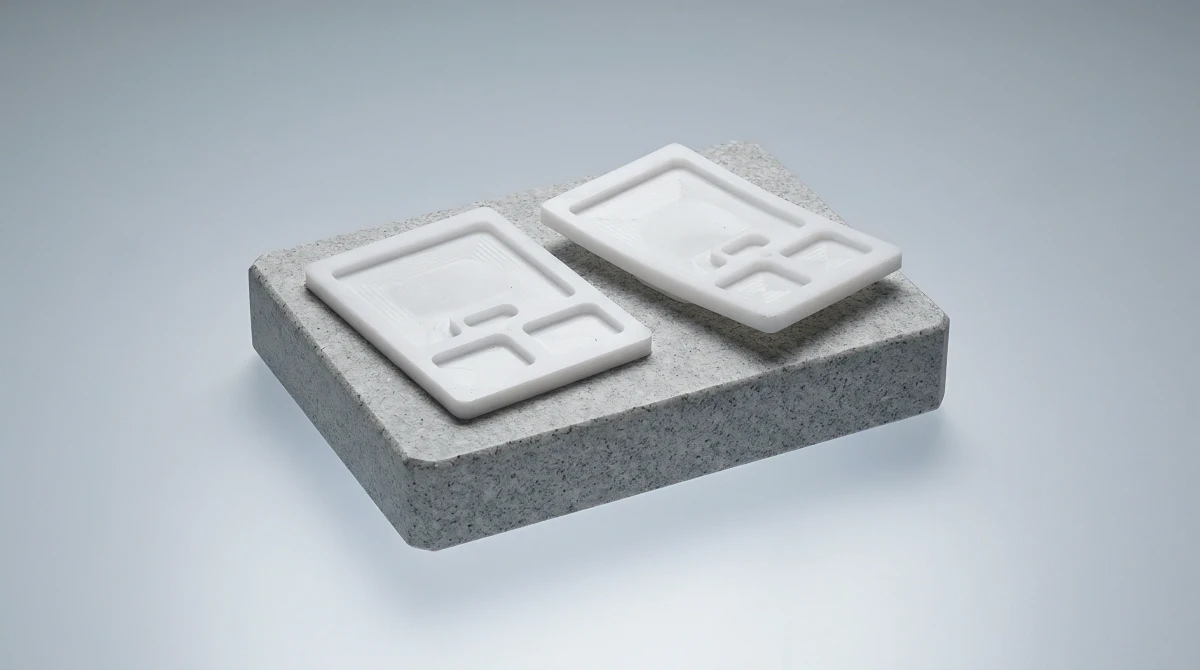
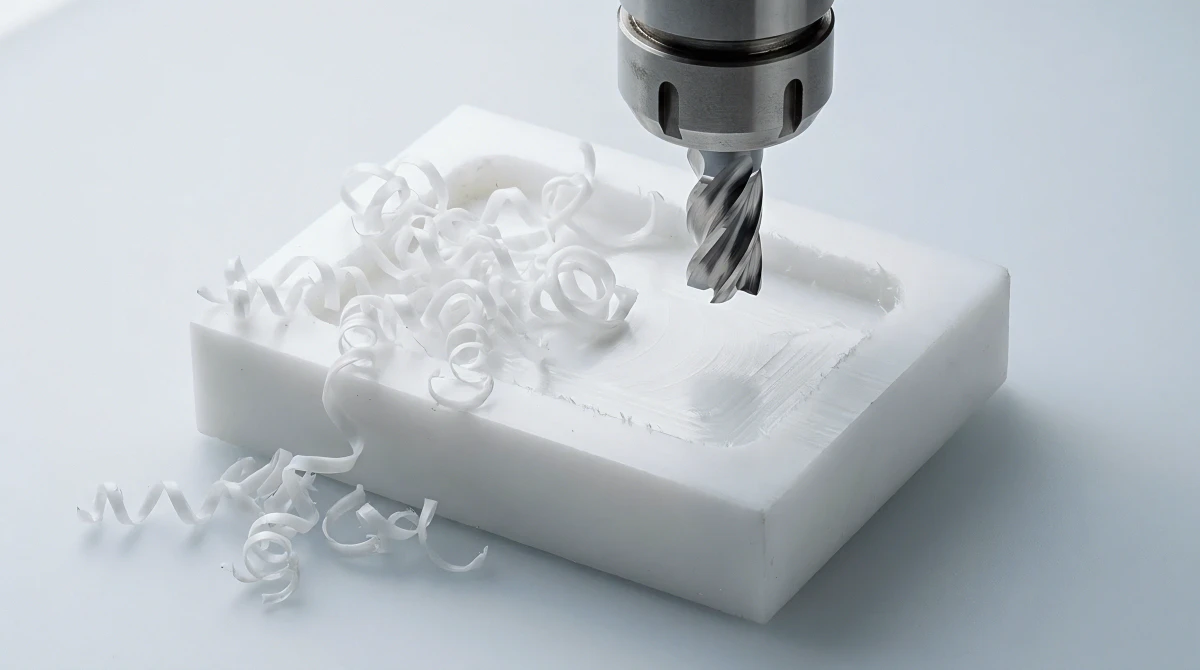
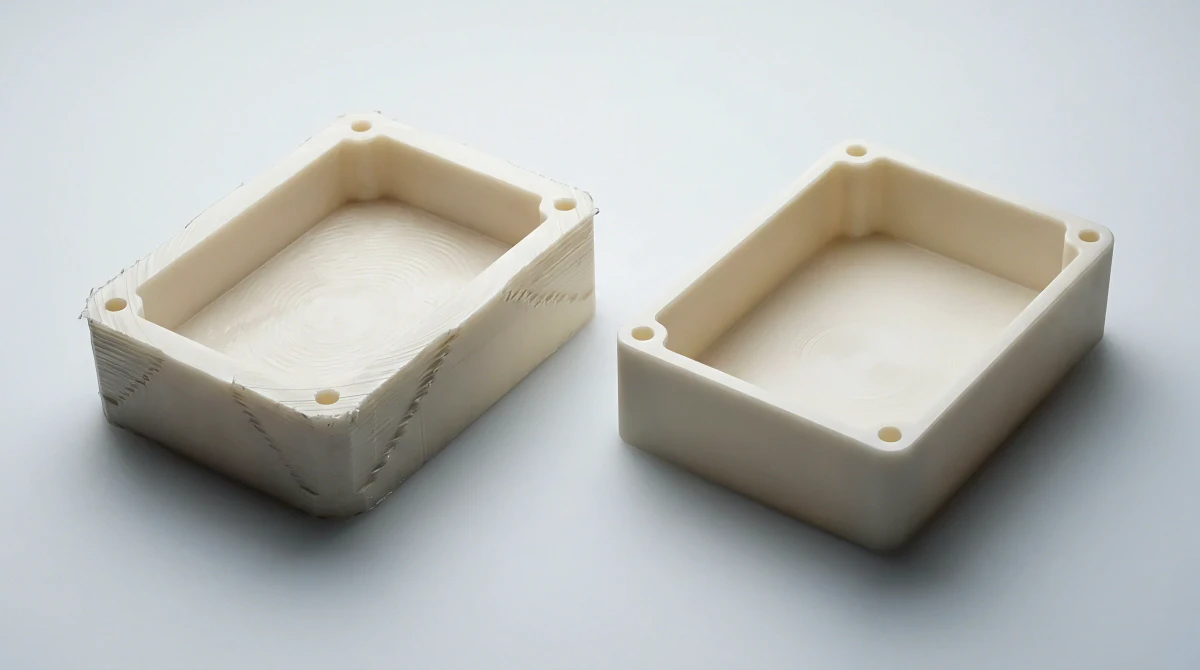
Mitsubishi Chemical Advanced Materials recommends vacuum plates with surrounds for plate parts, warns against machining too much on one face, and balances pockets with grooves on the opposite face. Its first remedy for a bowed plate part is cast polyamide plate; the others place the part symmetrically about the extrusion centerline and move that centerline away from machined features. Ordering from the next plate thickness up lets both faces be cleaned up and the removal balanced.Thickness and Ratings
A plate’s thickness also carries certificates. Röchling prints UL 94 V-0 for its flame-retardant UHMW-PE plate at 3 mm and 6 mm, and a UL Yellow Card lists each flame class against a minimum thickness. A machined plate part that thins a wall below that thickness leaves the printed rating behind for that wall.Storage
Ensinger stores plate flat with the greatest possible surface contact, in closed rooms at 23 °C (73 °F) and 50 % relative humidity where possible, so that it does not deform under its own weight or warmth.