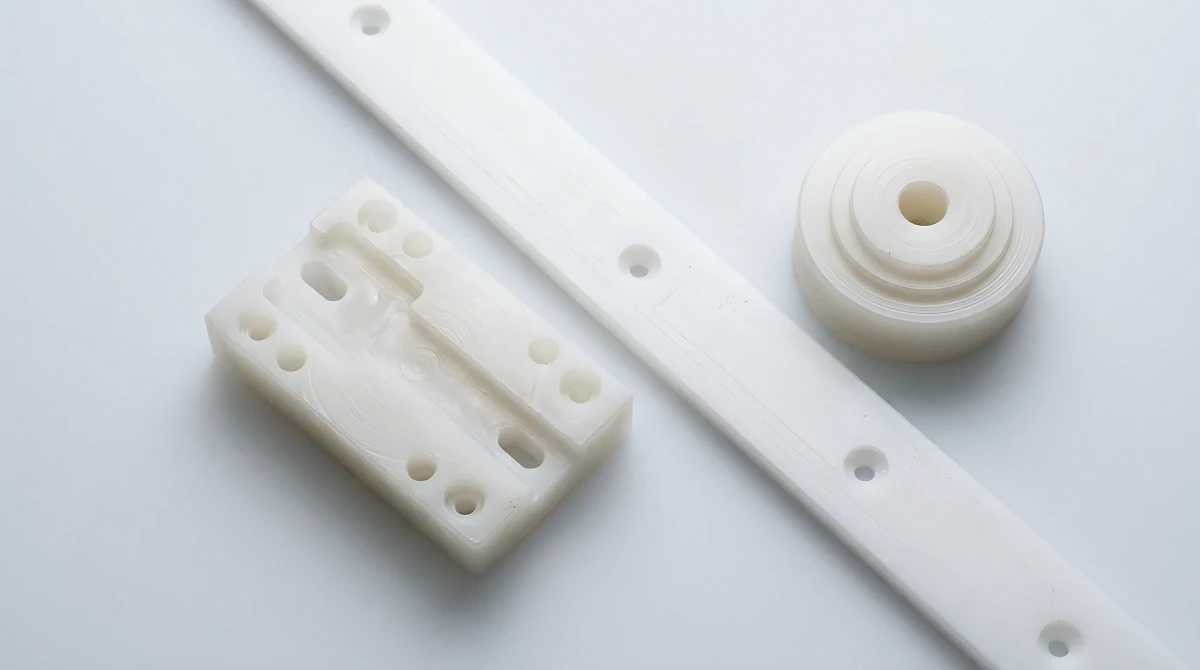
Milling

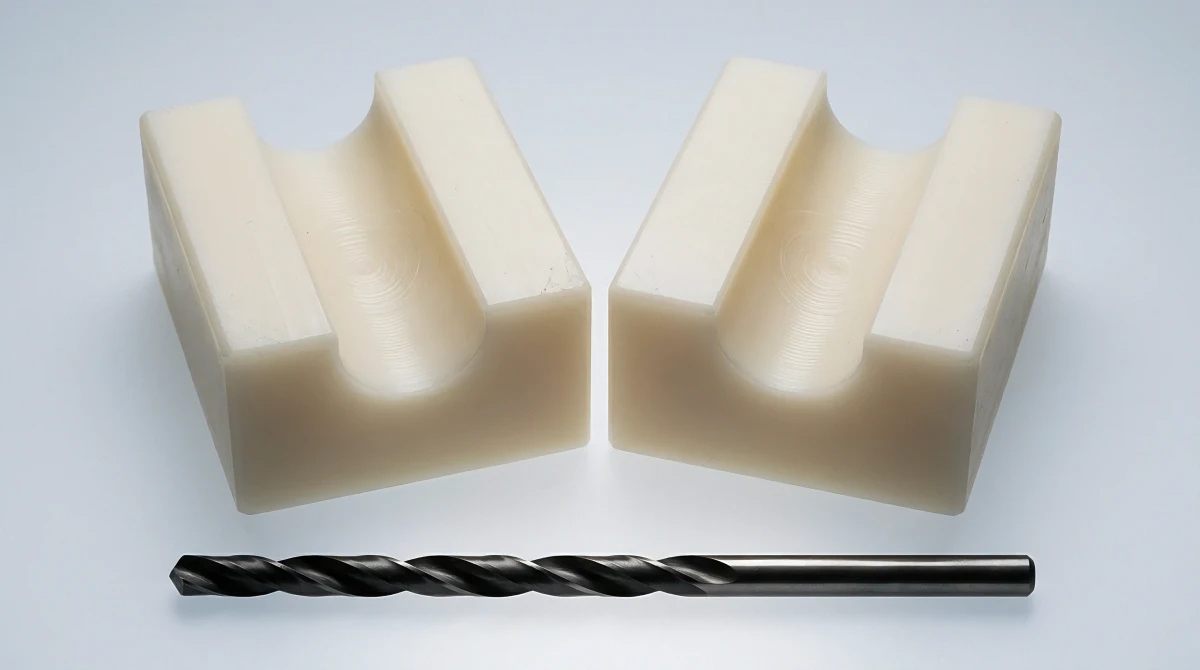
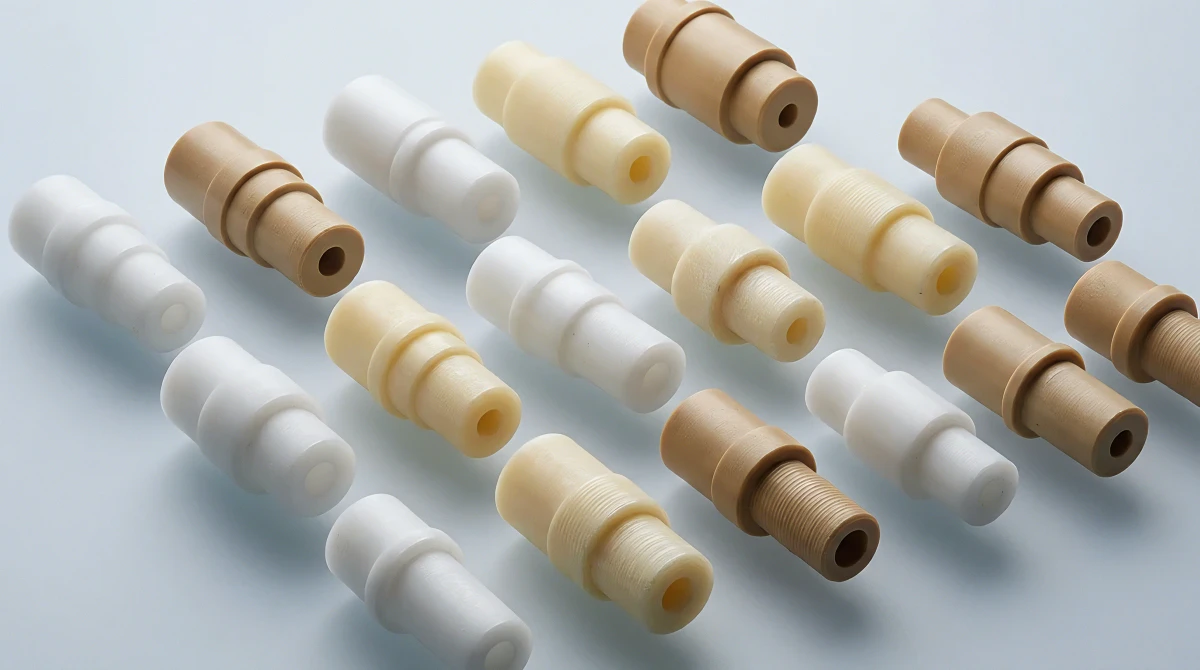
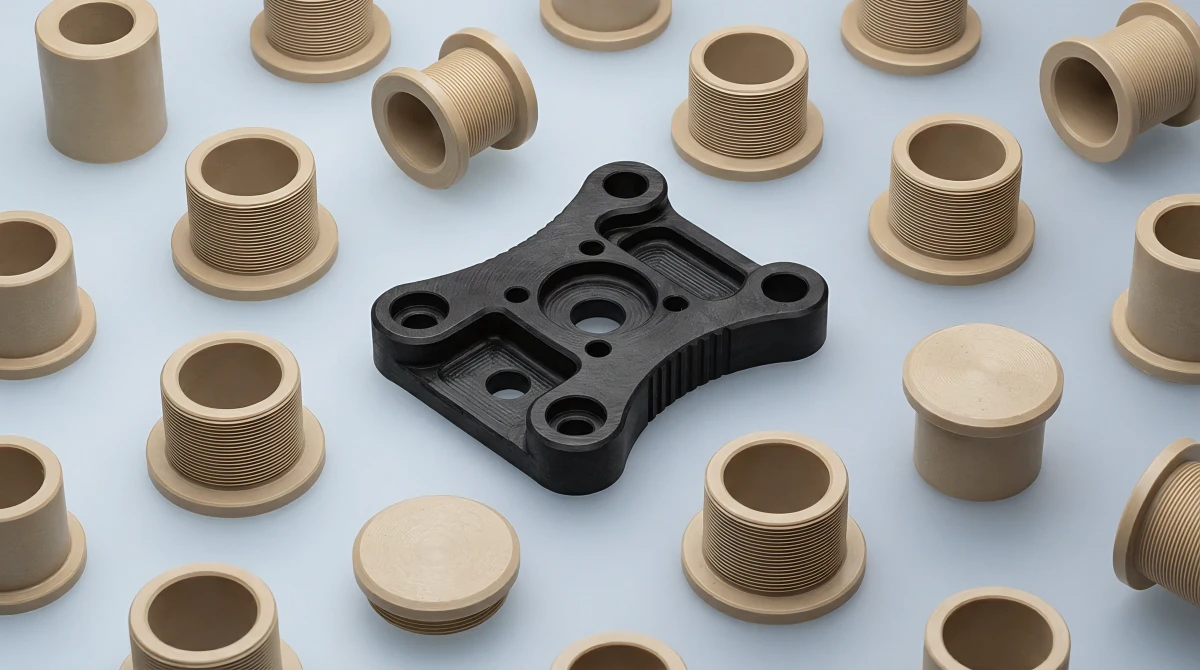
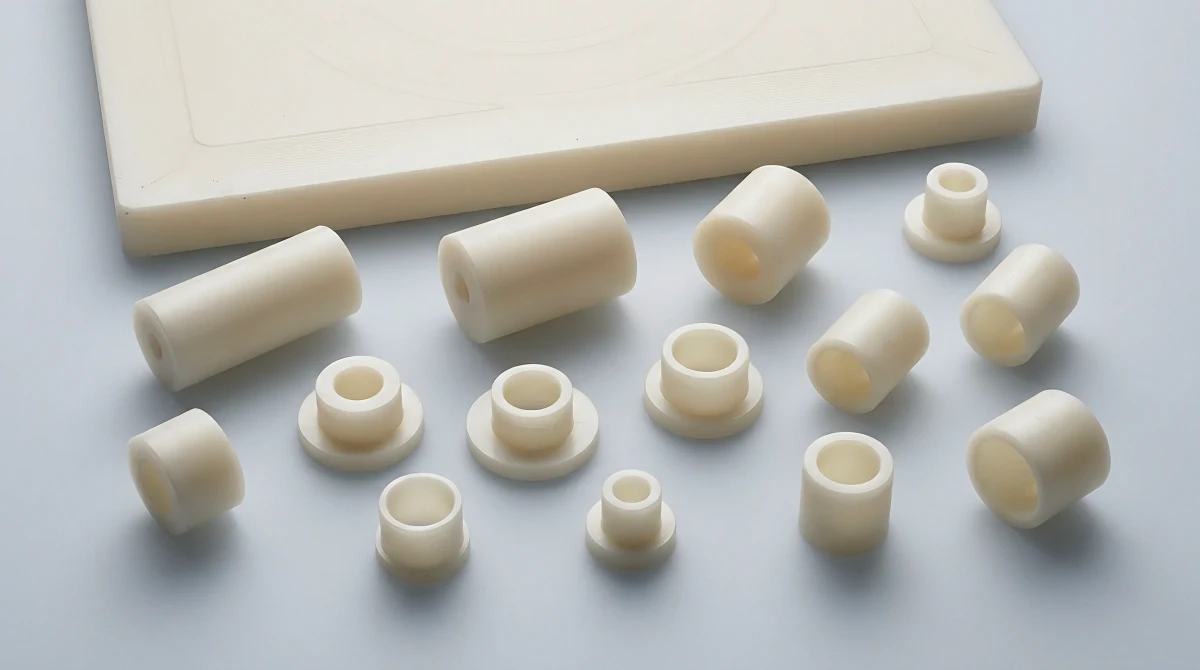
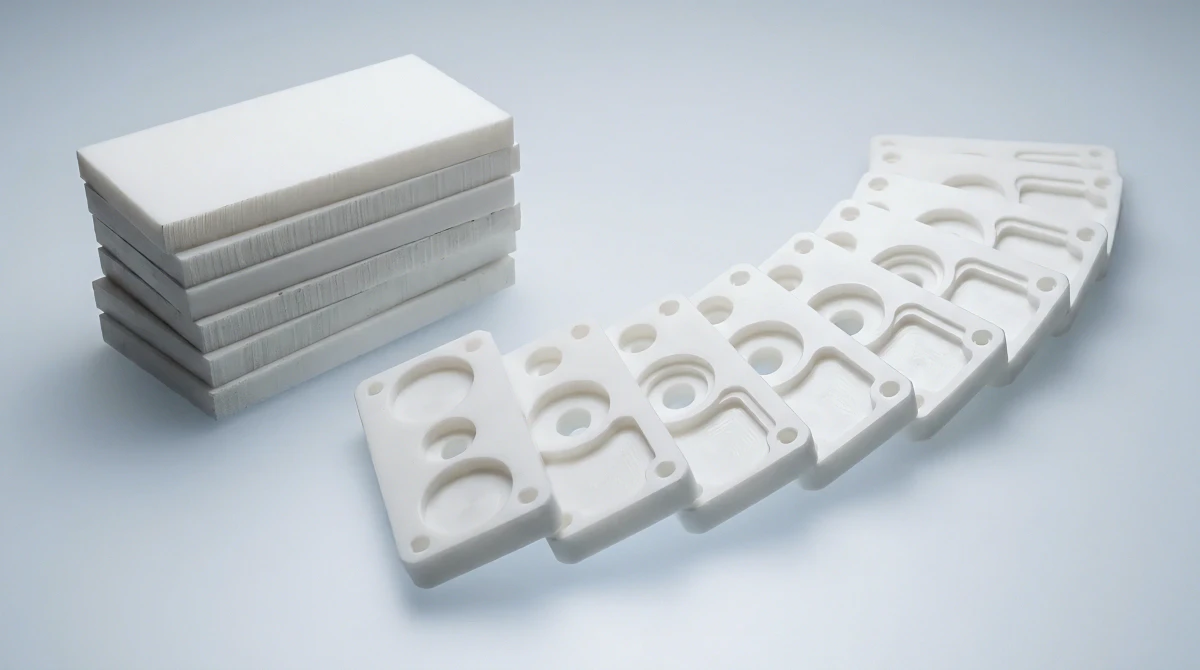
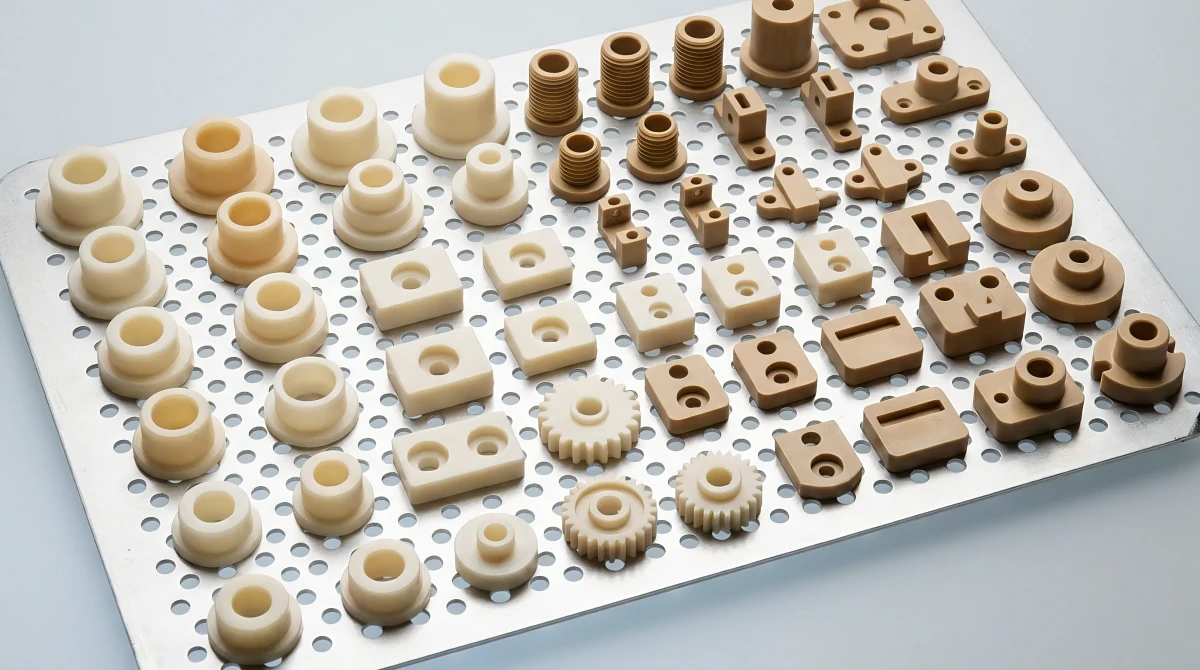
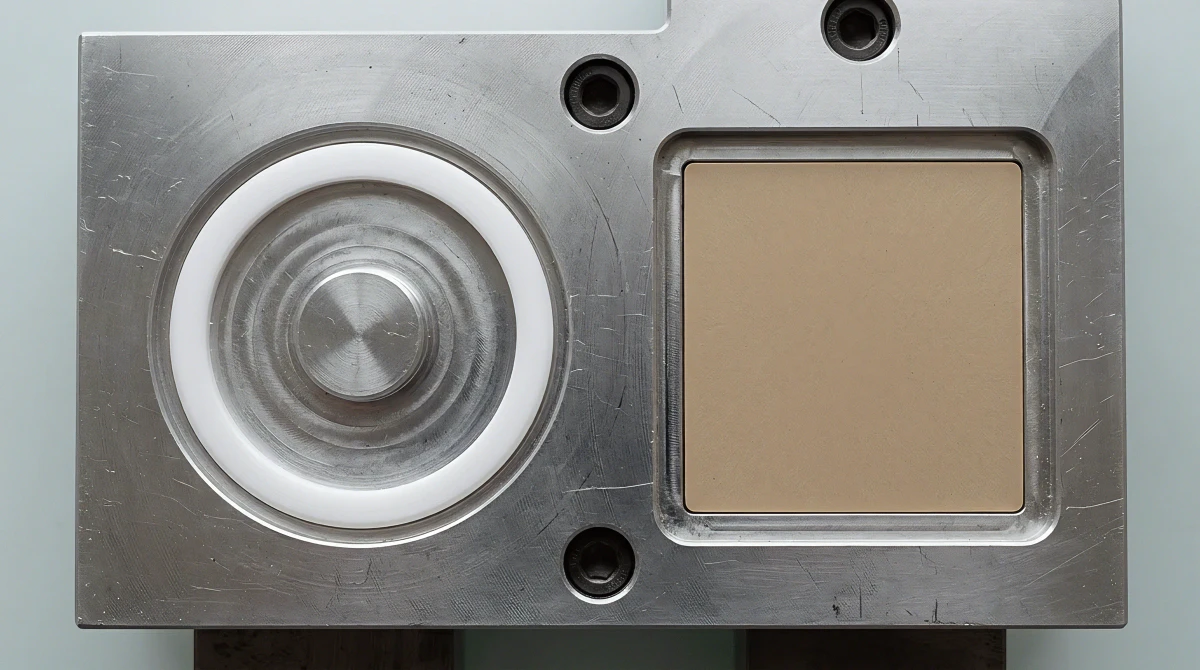
Milling is cutting plastic with a rotating multi-tooth cutter, used for plate parts, pockets and profiles.

Every Milling article of the Plastic CNC Resources, newest first, each written from published standards, research and makers’ data.

Meaning

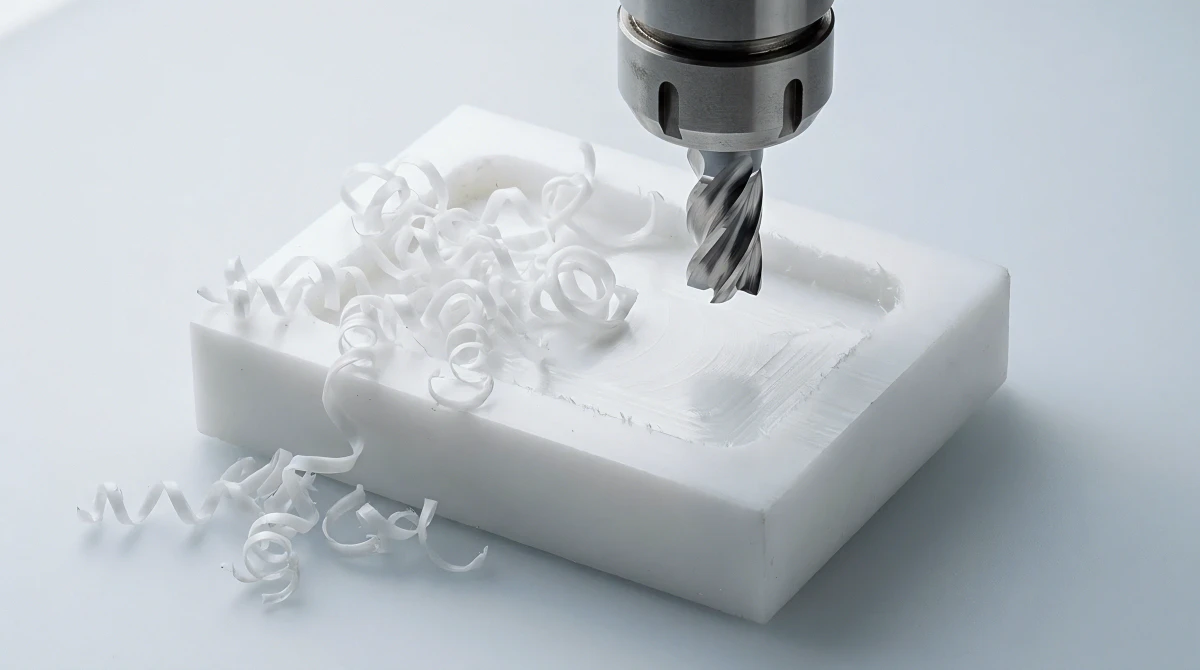
Milling is cutting plastic with a rotating multi-tooth cutter, used for plate parts, pockets and profiles. Each tooth enters and leaves many times per second. Each entry is a chance to rub, and each flute is a place for chips to pack. The makers’ advice centers on fewer teeth, more chip room and a climbing cut.

Cutter Choice

Mitsubishi recommends cutters with fewer teeth, a higher helix and good clearances. Quadrant names two-flute end mills, face mills, shell mills with inserts and fly cutters. For UHMW-PE and other soft stock, Mitsubishi advises two or three flutes at a higher helix, with maximum feed and speed. Röhm uses single or double-fluted end mills for small diameters in acrylic. Multiple-fluted cutters at high speed are likely to clog.
Read More

Climb Cut

Quadrant states that climb milling is normally recommended, because it dissipates heat into the chip. In a climb cut the tooth enters at full chip thickness and leaves at zero, so the heat is lower and the finish better. A conventional cut starts the tooth at zero thickness. It rubs before it bites and leaves with a large break, giving more heat and a worse finish.

Chip Space

Mitsubishi asks for plenty of swarf area, no conveyor chip removal and vacuum extraction of dry chips. Tangram asks for a larger chip thickness on polyolefins, and a higher feed if chips reweld. A single-flute cutter needs a balanced chuck, because an unbalanced spindle leaves chatter marks.

Plate Work

Most milled parts start from plate held on a vacuum plate or in soft support. A part pocketed on one side bows about the extrusion centerline, so pockets are balanced by grooves on the opposite face. Milled parts take longer than turned ones, because feed per tooth is limited and pockets are many.
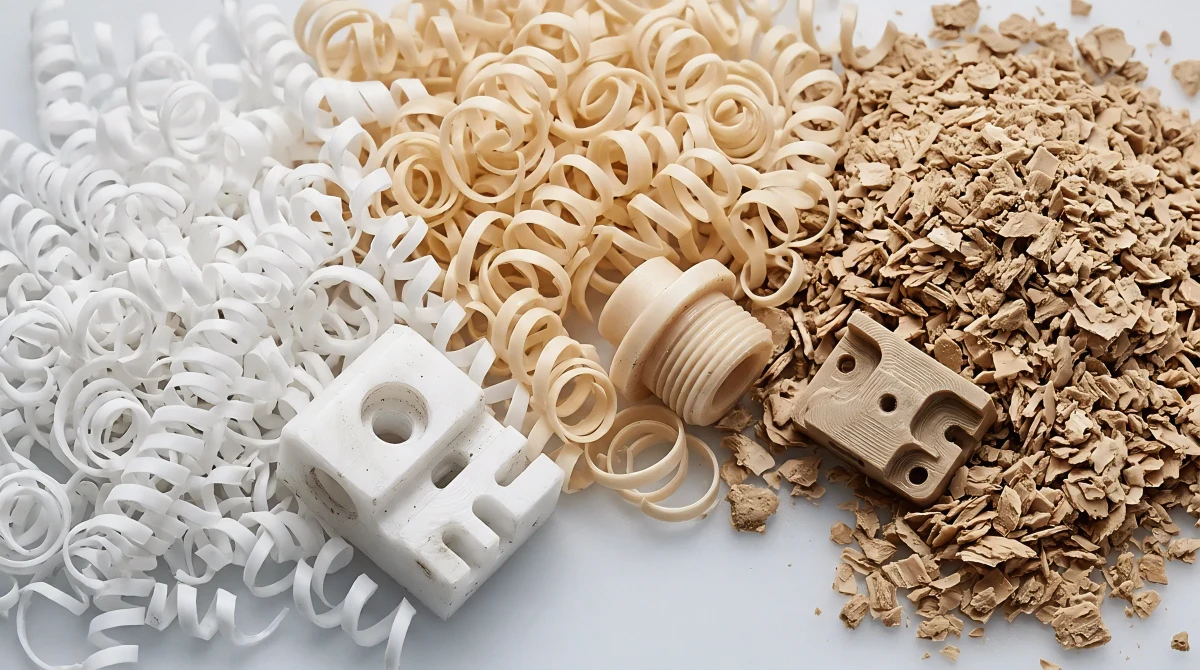
Speeds and Feeds for Machining Acetal, Nylon and PEEK

Acetal, nylon and PEEK share wide published cutting windows, and the right point inside each depends on making a chip that carries heat out of the part.

Speeds and Feeds for Acetal, Nylon and PEEK in One TableTable 1 sets the published cutting data for the three materials side by side, from MCAM's 2026 guide and from Tangram Technology, a UK plastics engineering consultancy that publishes indicative values. MCAM groups unfilled PEEK with PET-P and PAI, and filled PEEK with the other reinforced grades; Tangram does not list PEEK.

Drilling Deep Holes in Plastic Without Melting or Cracking

Holes deeper than two diameters trap heat in plastic, so drill grind, peck cycle, coolant choice and cool-down decide whether the part cracks or holds its size.

How to Drill a Deep Hole in Plastic Without Melting or CrackingTreat any hole deeper than two diameters as a cooling problem first and a cutting problem second. Both Mitsubishi Chemical Advanced Materials (MCAM) and Ensinger name the same threshold: heat builds very easily once the depth passes twice the diameter.

Surface Finish of Machined Plastics by Material and Tool

Measured roughness on machined plastics follows feed first, then tool edge and material, and a finish call-out needs its parameter, surface, direction and part condition.

What Surface Finish Machined Plastics Reach and What Sets ItTwo open studies give a measured range for ordinary turning and milling of tough engineering plastics. Turning HDPE and PA6 with a carbide insert produced average roughness (Ra) from about 2.1 µm (83 µin) to about 11 µm (439 µin) across the tested conditions.

Machining PEEK Unfilled and Carbon-Filled Stock

Unfilled and carbon-filled PEEK share a polymer but differ in stiffness, conductivity, tooling, cutting data and tolerance, so the grade belongs on the drawing.

How Unfilled and Carbon-Filled PEEK Stock Differ for Machined PartsUnfilled PEEK machines like a hard, stiff thermoplastic: short chips, little burr, high feed rates and fine finishes. Carbon-filled PEEK machines like a composite: abrasive to tools, sensitive to fiber direction, and best cut with carbide or diamond at lower speeds.

Cast and Extruded Nylon PA6 Stock for Machined Parts

Cast and extruded PA6 share a name but not their stress, crystallinity, chips or moisture behavior, and a machined nylon part keeps changing size after the cut.

Cast or Extruded PA6 for a Machined PartCast PA6 is usually the better machining stock when the part is large, flat, stiff or close-toleranced. Extruded PA6 is the tougher, more elastic choice for smaller parts where impact strength and elongation matter more than the last hundredth of a millimeter.

Sizing a Machined Plastic Run From Blanks to Batches

A machined run is sized from weeks and consumption, converted to plates and batches, and then matched to cutters and fixtures by run length.

How to Size a Machined Plastic RunCount the parts the program will consume until the next process delivers, add a spare for parts lost in testing, convert the total to blanks by nesting, and group the blanks into batches that share a rest, an oven load and a measuring session. Then choose the cutter and the fixture by the length of the run.

How Long Resting, Annealing and Drying Add to Machined Plastic Parts

In a machined plastic order the cutting takes minutes, while resting, drying and heat treatment take days, so the drawing sets the lead time.

Where the Calendar Goes in a Machined Plastic OrderMost of the elapsed time in a machined plastic order is spent on stock preparation, resting, heat treatment, drying and measurement at a controlled temperature, and the cutting is a small fraction. When a part needs none of those steps, it goes from blank to finished in the machine time plus setup and deburring.

Holding Plastic Parts for CNC Machining Without Bending Them

Plastic parts distort under clamps that metal parts shrug off, so the hold, the support and the symmetry of the cut set the final size.

How to Hold a Plastic Part on a CNC MachineHold it on as much surface as the geometry allows, with the lowest force that keeps it from moving, and with every thin wall backed by something solid. That sentence compresses three recommendations that recur across the stock-shape makers' guides: light clamping, support under the cut, and distribution of the force by vacuum or soft jaws instead of point contact.

UHMW-PE and HDPE Stock for CNC Milling and Turning

UHMW-PE wears longest and HDPE holds shape better, and both need sharp tools, chip control and a stated measurement temperature to hold size.

UHMW-PE and HDPE Differences for Machined PartsBoth are polyethylene, and the difference starts with chain length. Mitsubishi describes its TIVAR 1000 Virgin UHMW-PE as setting the standard for ultra high molecular weight polyethylene shapes, with a combination of wear and corrosion resistance, a low-friction surface and excellent impact strength.

Request a Plastic CNC Quote

Send the 2D drawing and the 3D file, with the quantity and the stage of the project. An engineer replies within 1 working day.

The quote form, the mutual NDA and the private folder for your files are on Protolis Atelier, with Plastic CNC chosen.

Request a Quote