Meaning
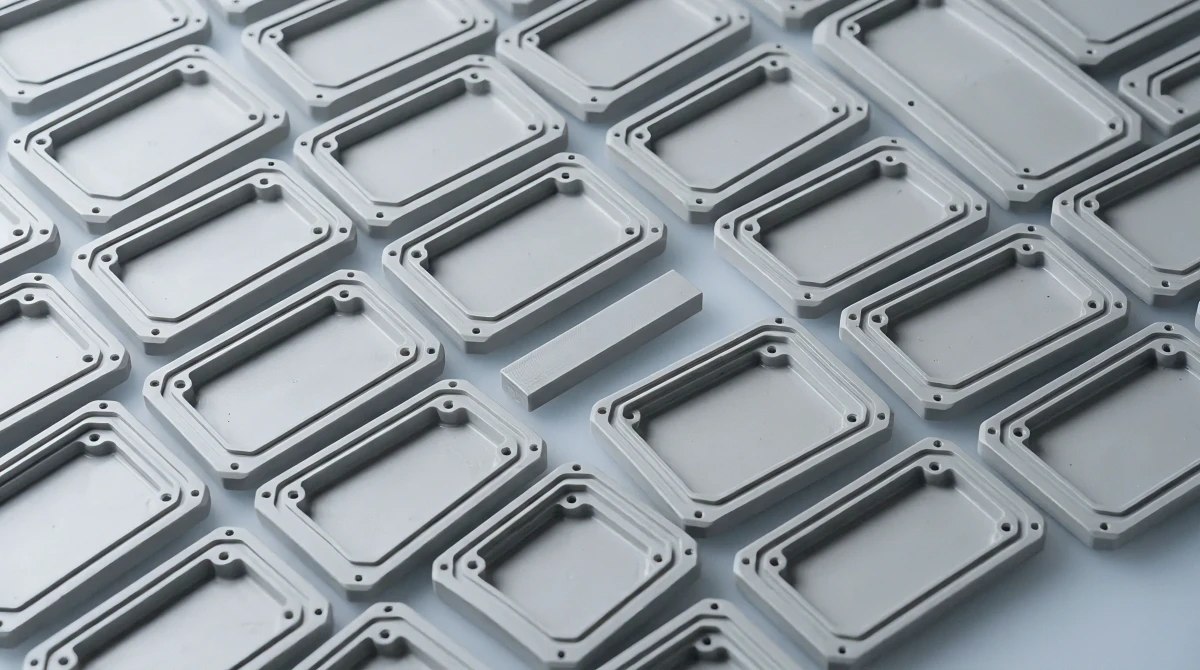
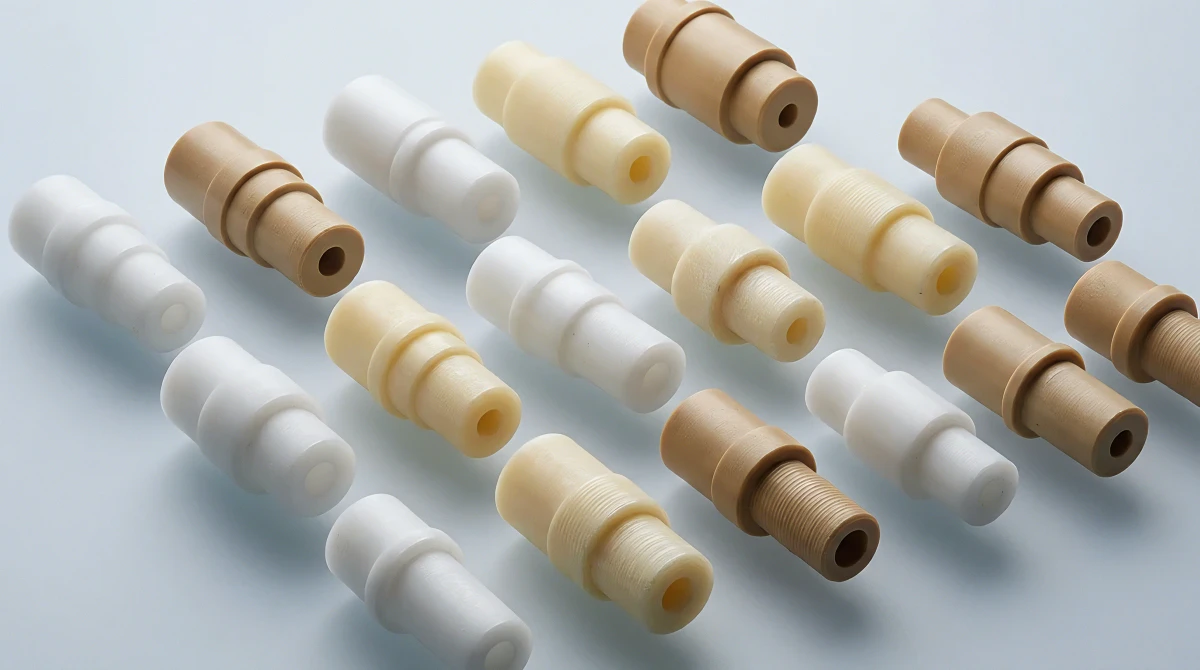
A batch is a quantity of machined parts made together from one material lot, one program and one setup, and released under one inspection record. In plastic machining the batch is also the unit of traceability: the stock lot, its certificate and the machining record follow it from the saw to the customer. Repeat batches are judged by how closely they reproduce the first.Material Lot
Stock makers build traceability into their bars. Ensinger keeps material designations and batch numbers recognizable on semi-finished products in storage and handling, and issues certificates only in connection with an actual order and the material supplied. Its upstream tracing exists so that the cause of a problem can be found quickly and other affected customers told. That chain only works downstream if the shop keeps the lot identity through sawing, machining, inspection and packing, including on offcuts kept for later use.Read More
Batch Record
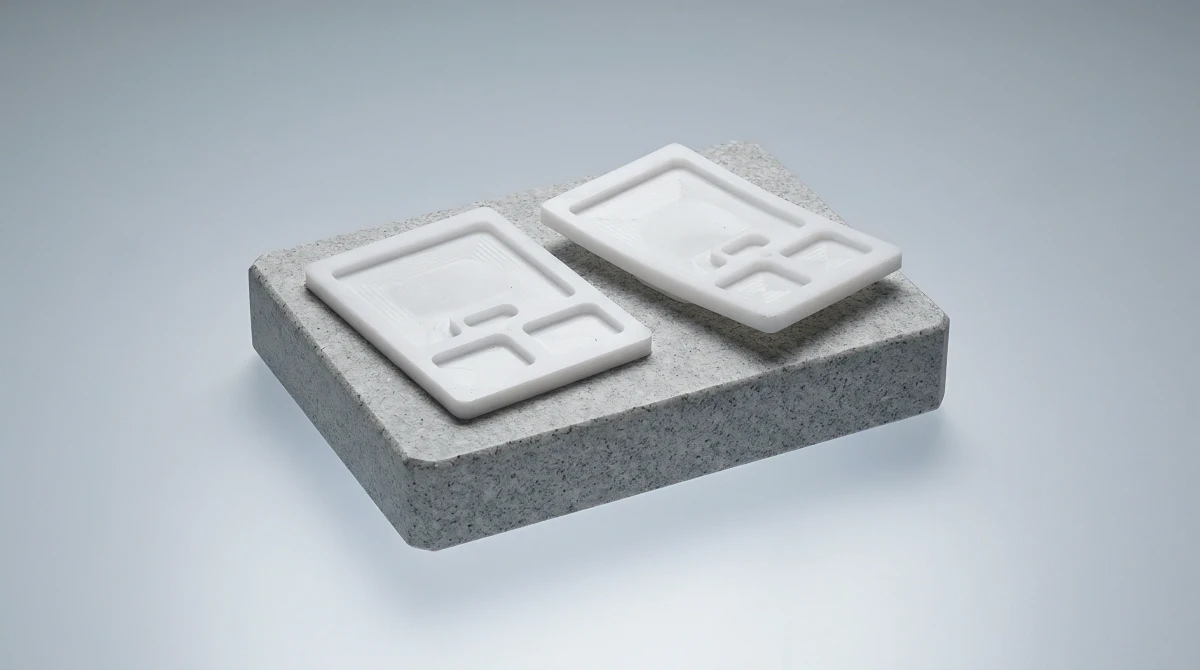
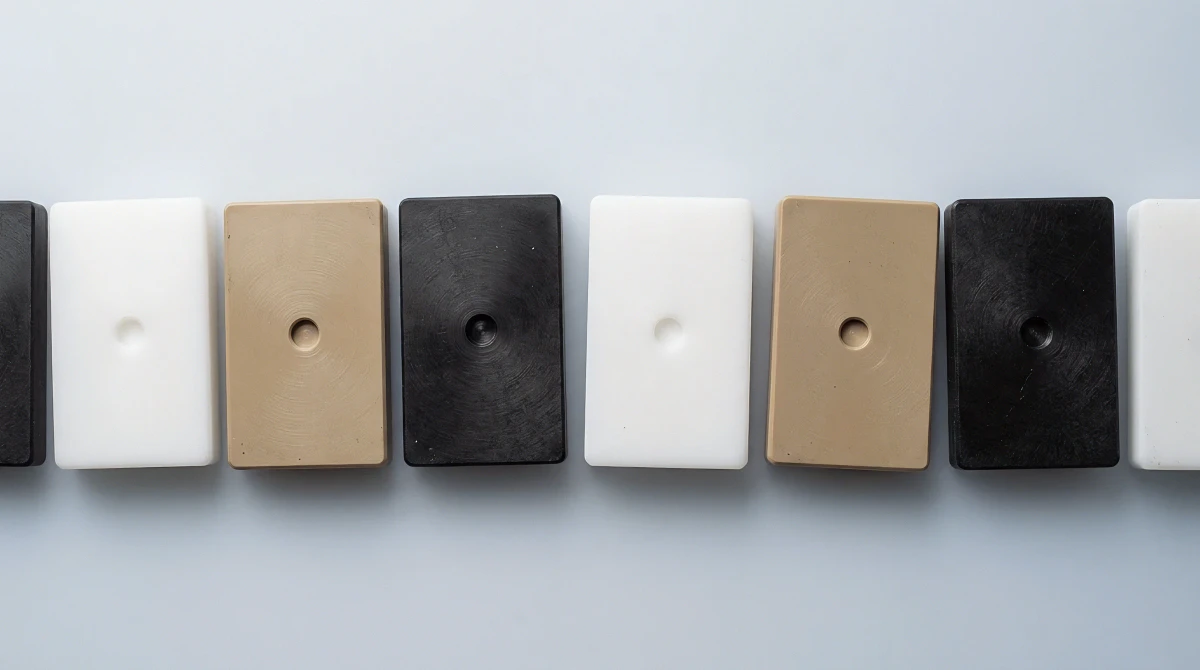
For a flame-retardant part the record carries the grade and color, the flame class and the minimum thickness at which it holds, whether the grade is listed by UL or only stated to comply, the stock lot, the certificate type, the machining record (such as dry machining where a grade requires it) and the thinnest finished wall. Each line answers a question a customer’s quality team or an approval body will ask. The shop’s own lines, the machining record and the wall check, are the ones most often missing.Repeat Batches
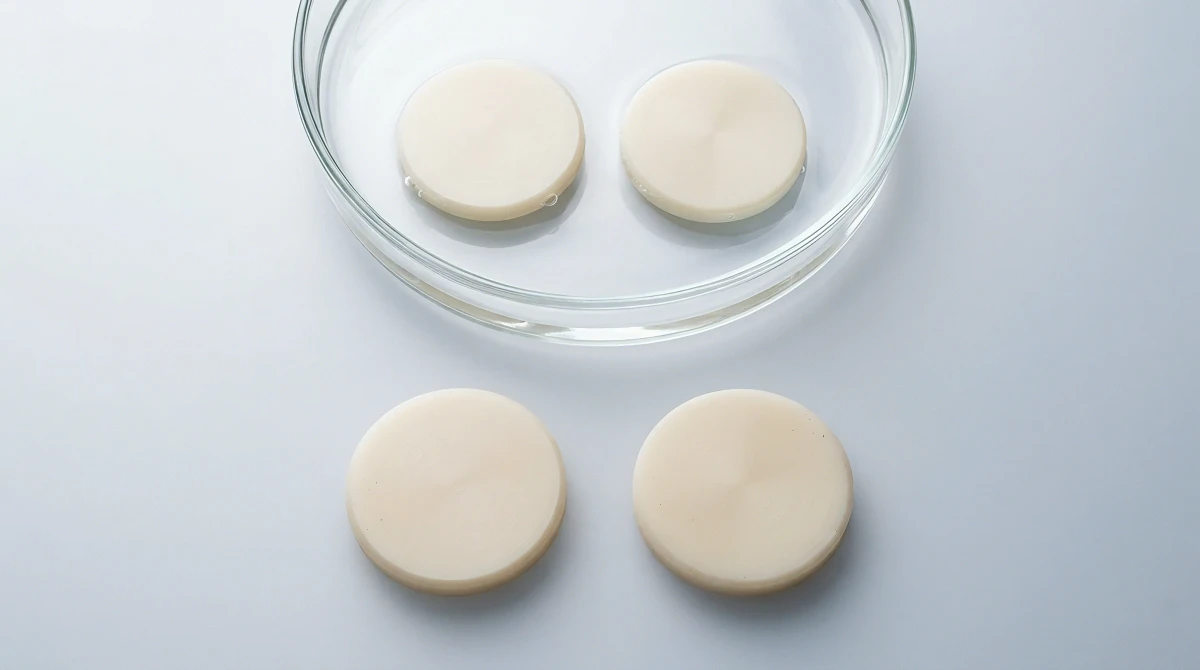
A repeat order reproduces the first batch only if its inputs stay the same. The grade, color and listing status are named on every order. The cutting data, drill grind, peck interval and cool-down that worked on the first article are kept, and so are the rest times and the inspection temperature. For nylon, the moisture state at inspection is the same from lot to lot, or the parts will appear to change size between deliveries when the material has not changed at all.Data Sheet Values
A data sheet describes typical values, not a batch. Röchling states that its values are averages from regular statistical tests and are not binding unless agreed in a contract of sale. A property that has to hold for a batch is named on the purchase order with its test method, and the certificate type that will prove it, such as a works test certificate of type 3.1 to EN 10204, is agreed when the order is placed.