Meaning
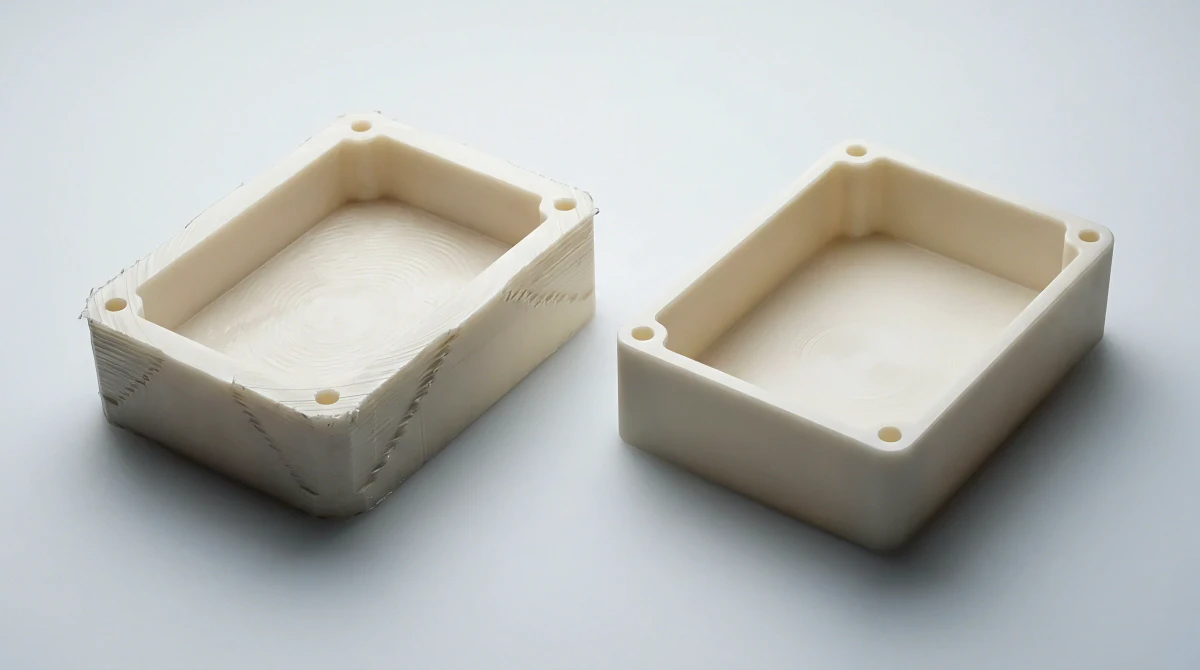
Stress cracking is the cracking of a stressed plastic part when a fluid reaches it, at a load it would carry without harm when dry. Tangram Technology calls it environmental stress cracking and lists it among the risks of unsuitable fluids. It is most often met on amorphous grades such as polycarbonate, PSU, PPSU and PEI. Because it can appear days after machining, it is easy to miss on the first part.Trigger Fluid
Röhm, writing about acrylic, explains the mechanism. Plastics withstand considerable tensile stress as long as no corrosive medium is present at the same time. Its list of such media includes solvents and thinners from bonding, printing or painting, and monomer vapors. Plasticizers from PVC insulation, sealants and aggressive cleaners complete it. Mitsubishi adds mineral-oil cutting fluids for the amorphous stock shapes. In Röhm’s words, a part that would survive stress-free becomes unfit for use once it crazes.Read More
Stress Source
The stress comes from the stock, the cut and the assembly. Röhm lists sawing, milling, turning, drilling, clamping and overheating from a badly ground tool. Ensinger warns that frozen-in stress can reduce suddenly at high service temperature, giving warping or, in the worst case, stress cracking. Mitsubishi’s troubleshooting table names missing chamfers at sharp corners among the causes of cracking.Prevention
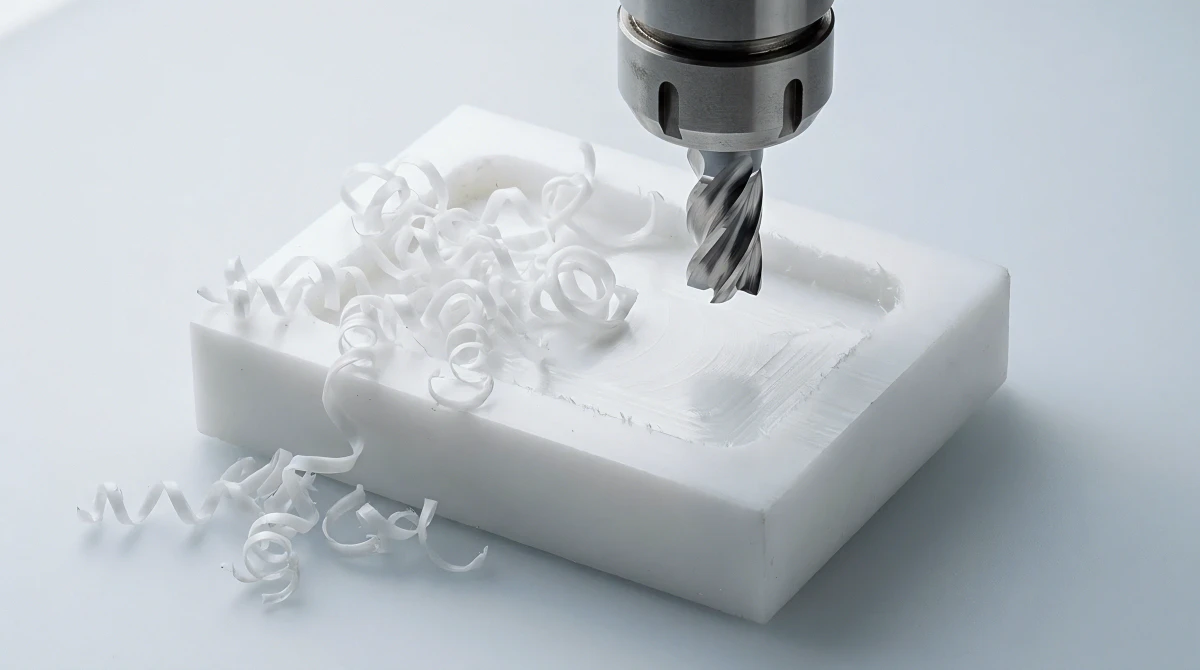
The sources give four measures. Cut amorphous grades dry, with air, or with pure water. Wash any part that met a coolant in isopropyl alcohol and rinse it in pure water. Chamfer sharp corners. Anneal where the part is stressed and will meet fluids, since an anneal relieves the stress the fluid would find.Drawing Note
The fluid can arrive after delivery. A drawing for a PEI or polycarbonate part can state the cleaning method it accepts. A later wipe-down then does not meet the stress the cutter left.