Meaning
Internal stress is the stress locked inside a plastic stock shape or part by extrusion, cooling, cutting or clamping. It can later release as a change of shape. It is invisible on the drawing and on the data sheet. It decides whether a part stays flat and round after it leaves the machine. Most of the slow steps in plastic machining exist to manage it.Stock Source
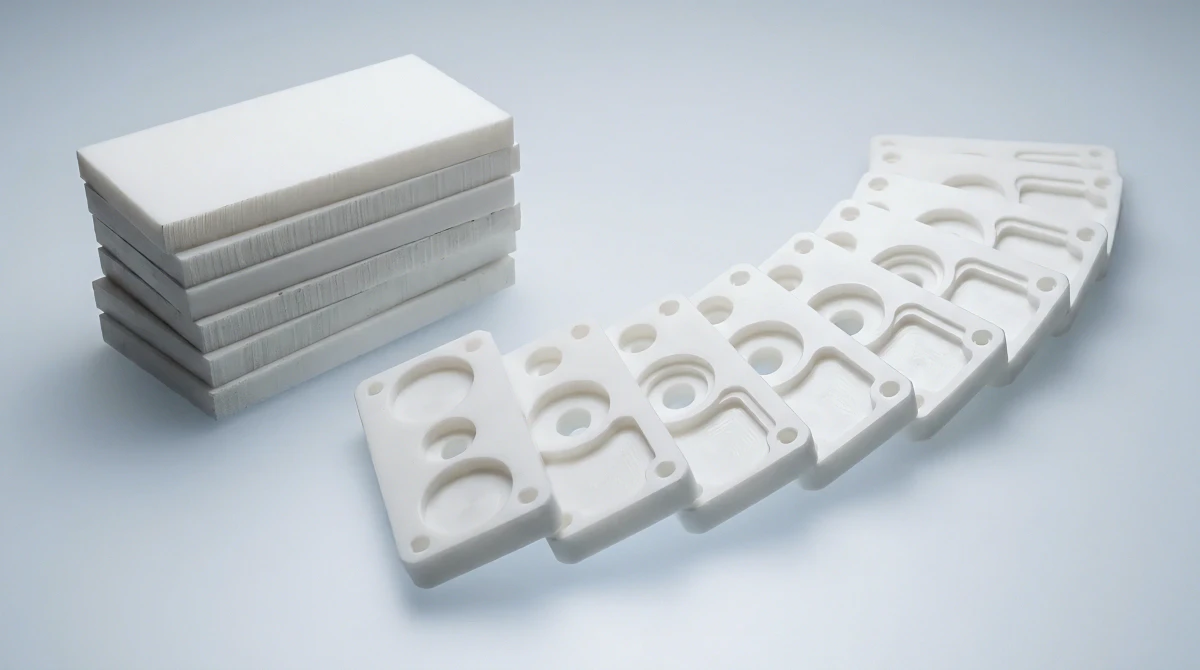
Ensinger explains that extrusion melts the material and pushes it through a die, leaving a stock shape with internal stress in the center. The maker’s anneal reduces that stress, but not to zero. Ensinger states that its stock shapes are annealed after production to reduce internal tension. It sells Mitsubishi’s Acetron GP acetal on very low internal stress.Read More
Machining Source
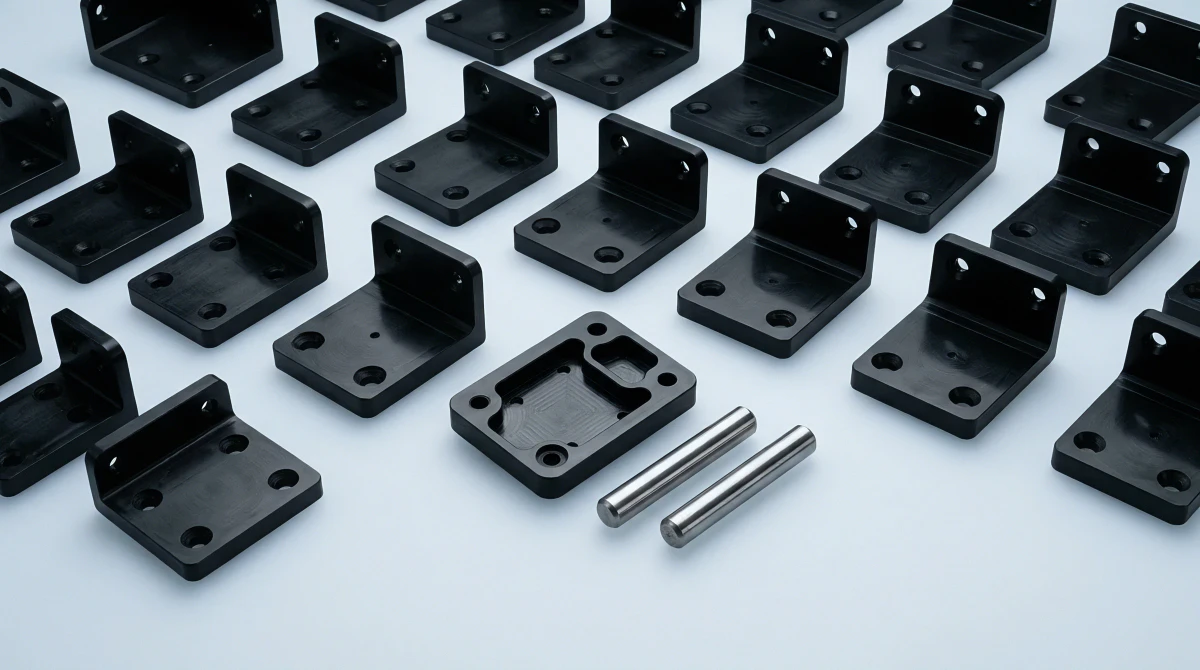
The machine shop adds stress as well as removing material. Röhm lists sawing, milling, turning and sanding among the sources of tensile stress in acrylic. Clamping or drilling deformation and local overheating from a badly ground tool are on the same list. Mitsubishi’s guide warns that extrusion, molding and machining can all leave residual stresses that redistribute when material is removed. Quadrant adds deformation caused by stress relieving during and after machining.Service Risk
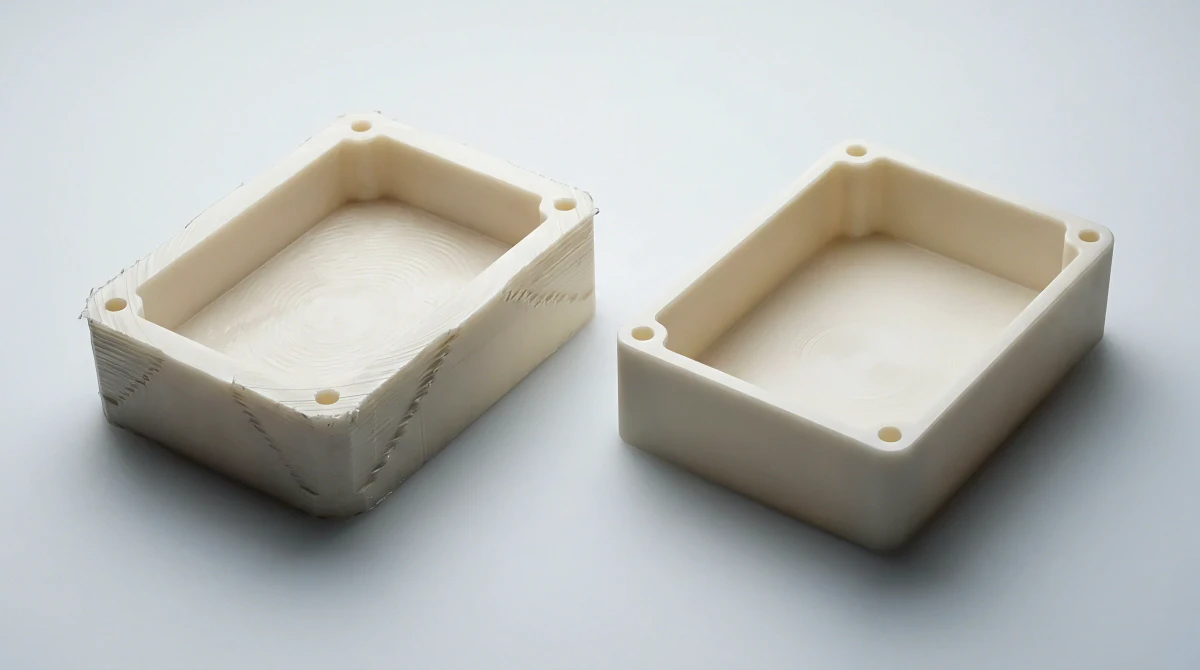
Stress that stays in a part can release later. Ensinger warns that use at high temperature is particularly critical. Frozen-in stress can reduce suddenly there, giving a change of shape, warping or, in the worst case, stress cracking. A part bound for hot service is therefore relieved in the shop.Control Measure
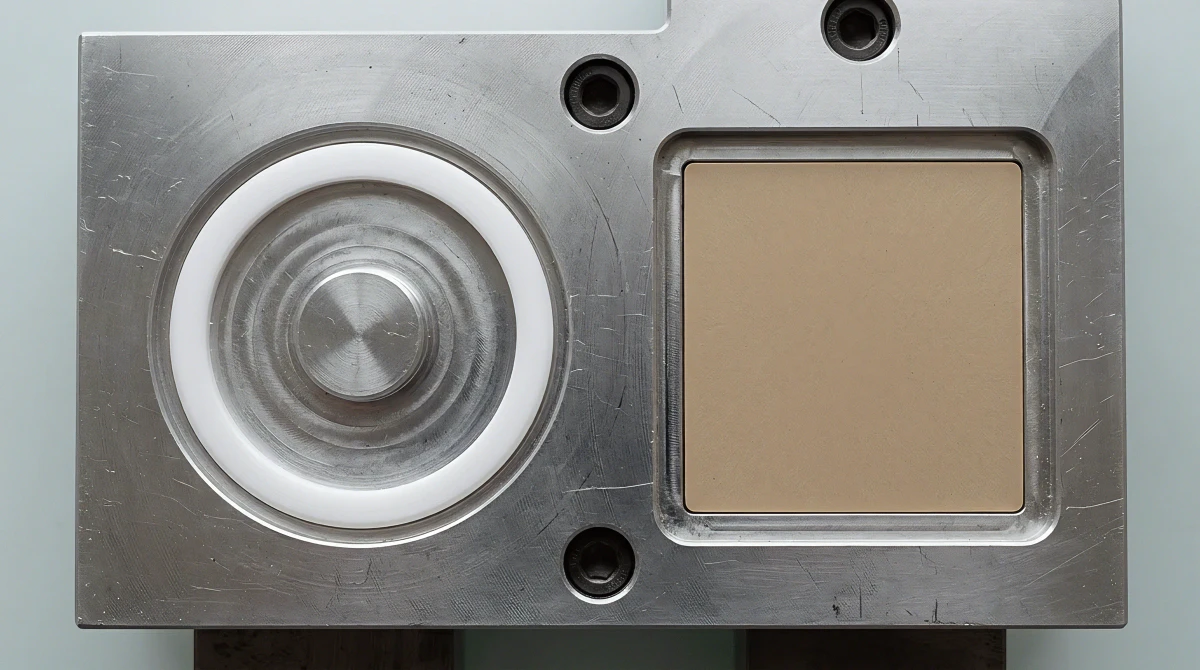
The sources give a short list of controls. Buy stock sold as stress-relieved, from a named maker and grade. Keep tools sharp and the cut cool. Remove material evenly on both sides of the centerline. Rest or anneal the part between roughing and finishing when it is asymmetric or held to a close size. A molded part, by contrast, carries its own stress pattern from cooling in the tool.