Meaning
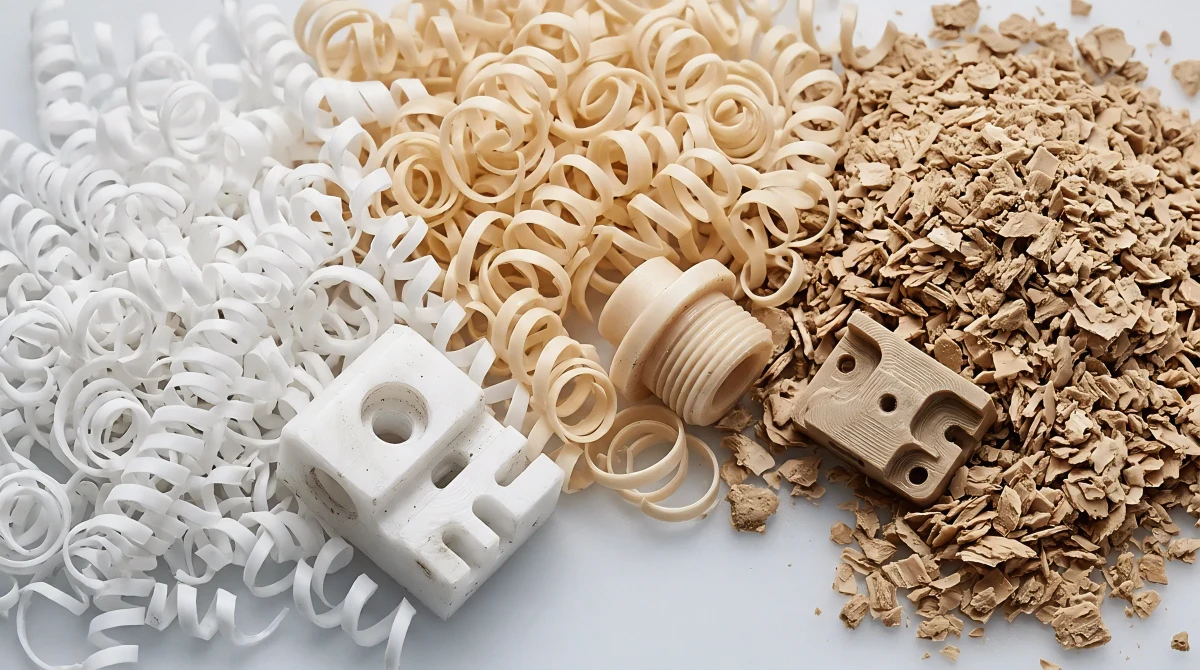
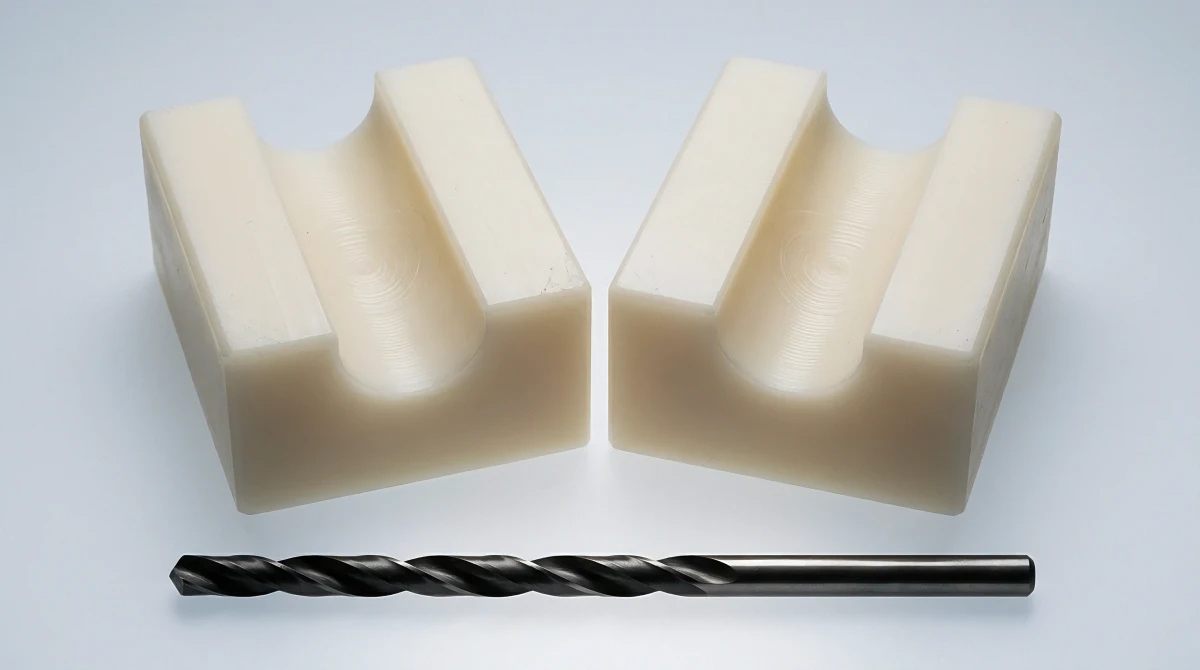
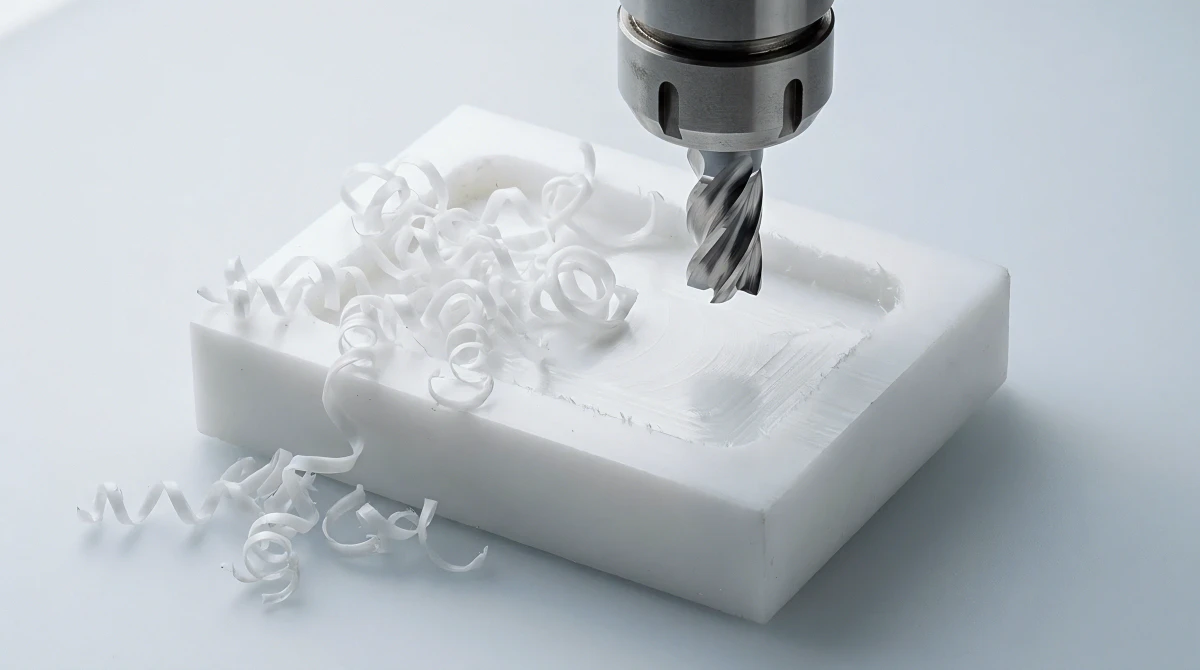
Carbide, short for cemented tungsten carbide, is the hard, stiff tool material used on plastics where high-speed steel wears or flexes too much. In plastic machining it covers most work on high-performance and filled materials. For the softest unfilled plastics, high-speed steel is still a common and effective choice.Where the Makers Specify It
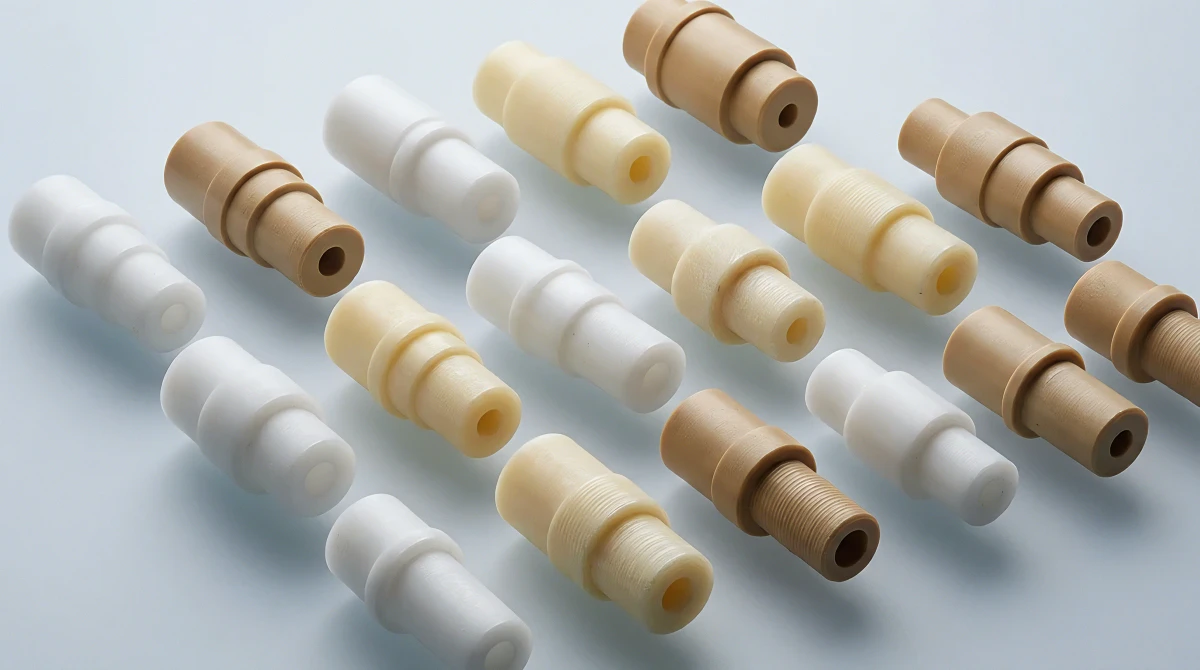
Mitsubishi Chemical Advanced Materials accepts high-speed steel or carbide for nylon, acetal and UHMW-PE, and specifies carbide for PEEK, PEI, PC, PPSU and PSU in turning, milling and drilling. For glass- and carbon-filled grades it lists carbide or diamond tooling, and it notes that high-speed steel works well but solid carbide is stiffer. Tangram Technology says carbide is generally preferred for wear resistance and surface finish, with ceramic, diamond-coated or PCD tooling better for abrasive grades in longer runs. Ensinger names K20 carbide for fiber-reinforced plastics.Read More
Finish Evidence
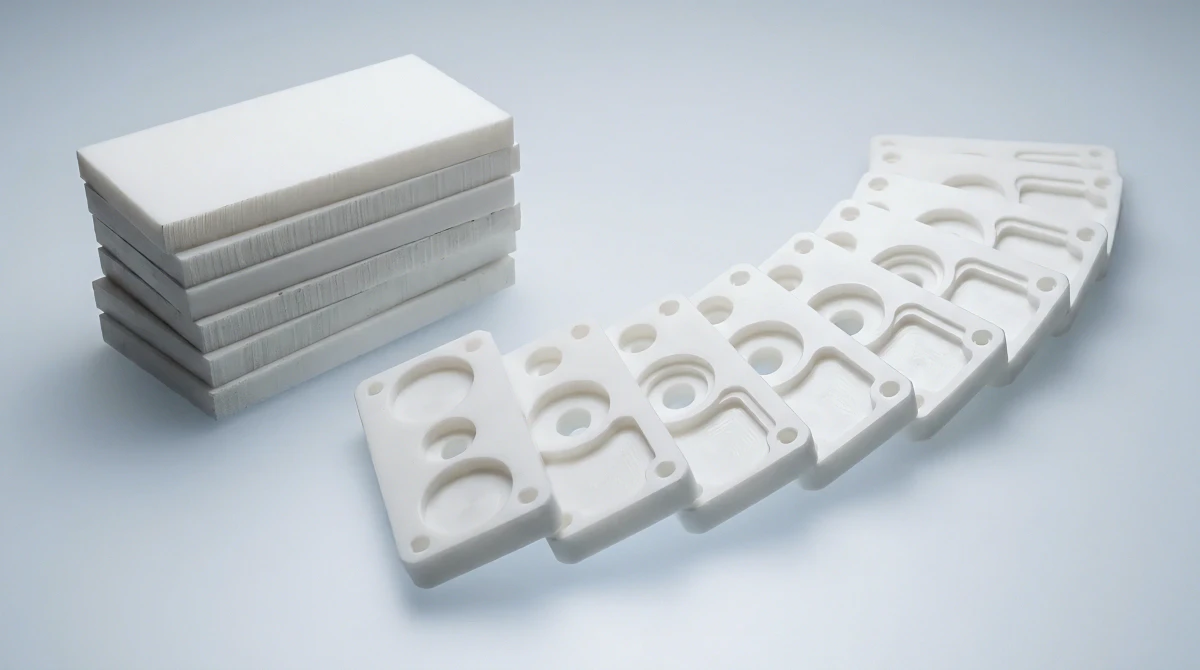
Measured results are less one-sided than the rules. A 2022 study in Polymers turned HDPE and PA6 with a K10 carbide insert of type DCMT 11 T3 02-MF and reached about 2.1 to 2.4 µm (83 to 94 µin) Ra at low speed and feed. A 2018 milling study on cast polyamide PA6G found lower Ra with high-speed steel than with carbide in most of the sample rows it printed, on cutters whose geometry the paper does not detail. A sharp, fresh edge cuts tough plastic cleanly in either material; carbide’s advantage shows as the edge holds over a long run.Geometry
Tool material is only half of the choice. Mitsubishi recommends inserts designed for nonferrous metals such as aluminum or brass, a nose radius of 0.8 mm (0.031 in) for the best turned finish, and in some cases grinding the insert’s top face to sharpen the front edge. Polished faces, positive geometry and generous chip clearance matter as much as the grade of carbide.