Meaning
Humidity is the moisture content of the surrounding air, stated as a condition of plastic tests, of machining and of measurement. Some grades absorb water from it and change size and properties. The standards treat it as part of a test’s conditions, and the sources treat it as part of a part’s history.Test Condition
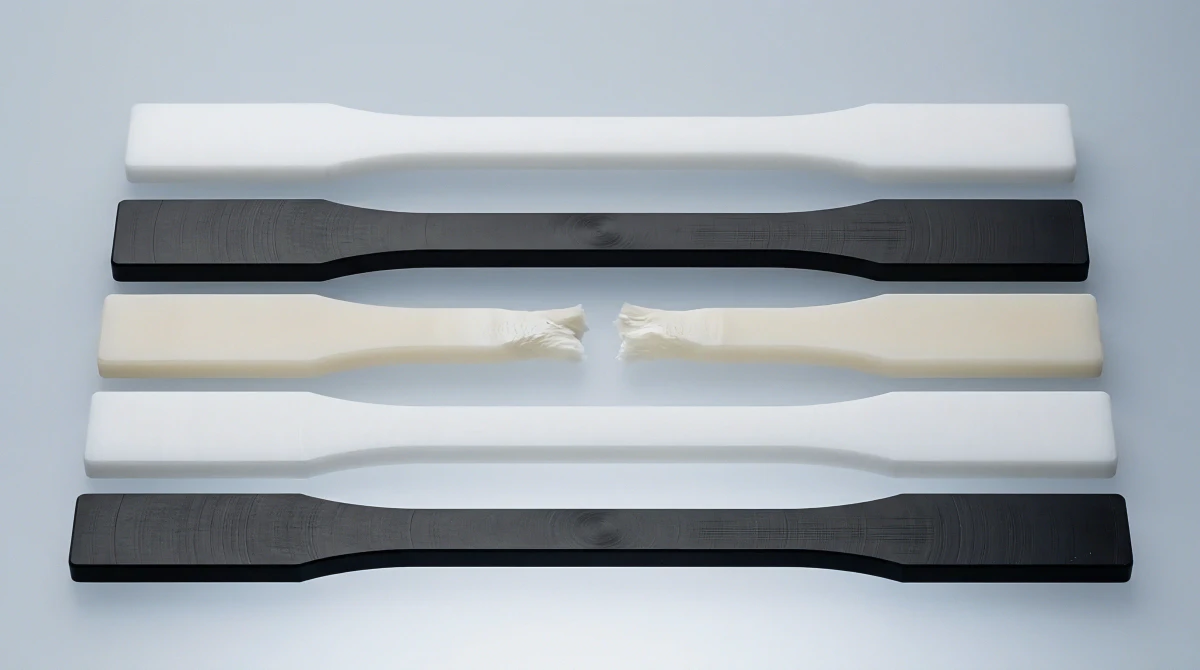
ASTM D638 defines its tests under stated conditions of pretreatment, temperature, humidity and testing speed. The D638 call-out in these resources lists “23 °C, stated humidity” as one field, since conditioning is part of the scope. UL 94 conditions one set of vertical specimens for 48 hours at 23 °C (73 °F) and 50 percent relative humidity. Its horizontal test pretreats bars for 48 hours at 23 °C (73 °F) and a controlled humidity.Read More
Machining Effect
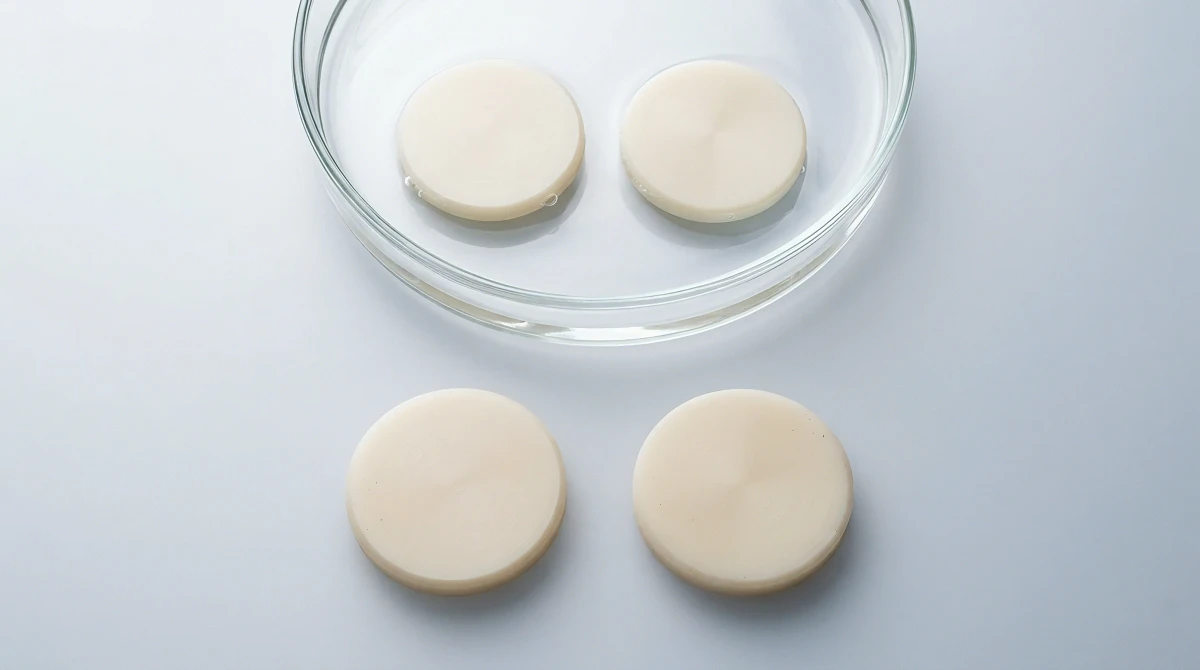
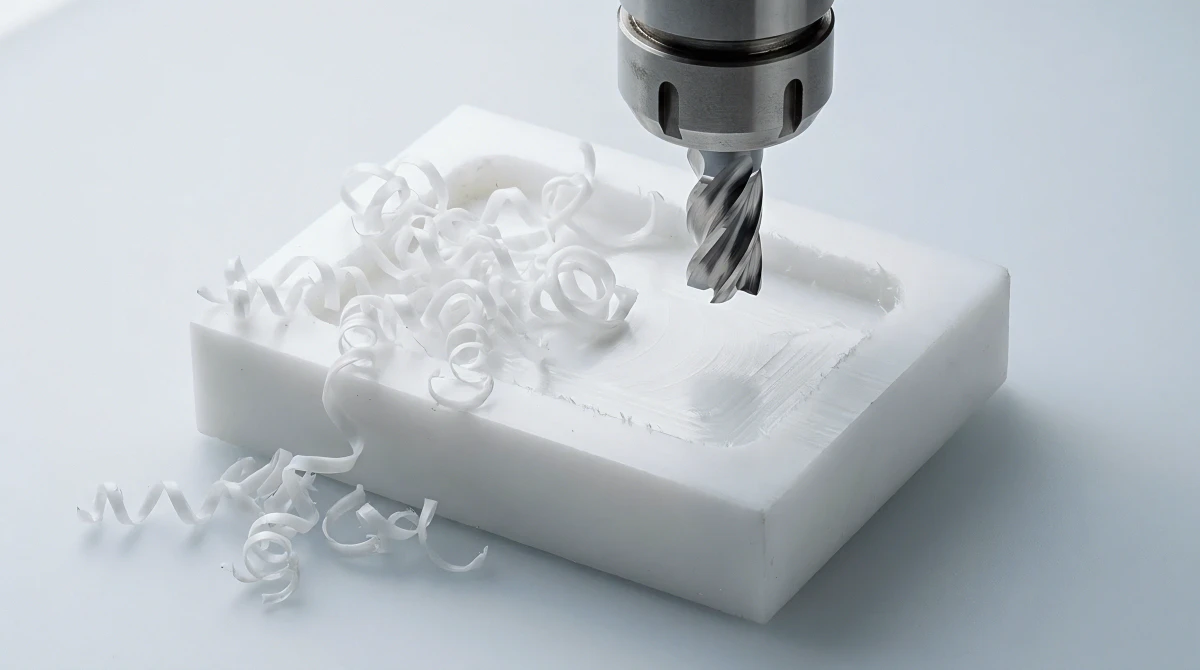
A 2018 study by Mustafa Bozdemir of Kırıkkale University end milled cast polyamide PA6G plates held humid and dry. It describes the material as vulnerable to humidity up to 7 percent. The choice of humid and dry samples as an input shows that the state of the stock is a variable alongside the cut.Measurement Condition
A part held to a close size is measured at the humidity it will live in, the acetal article advises. Its sheets give water uptake but no size change per percent absorbed. The PEI article asks for a humidity condition beside the measurement temperature on any dimension under about 0.1 mm (0.004 in). Polyethylene stands apart. With water absorption listed as nil or slight, humidity does not move it the way it moves nylon.