Meaning
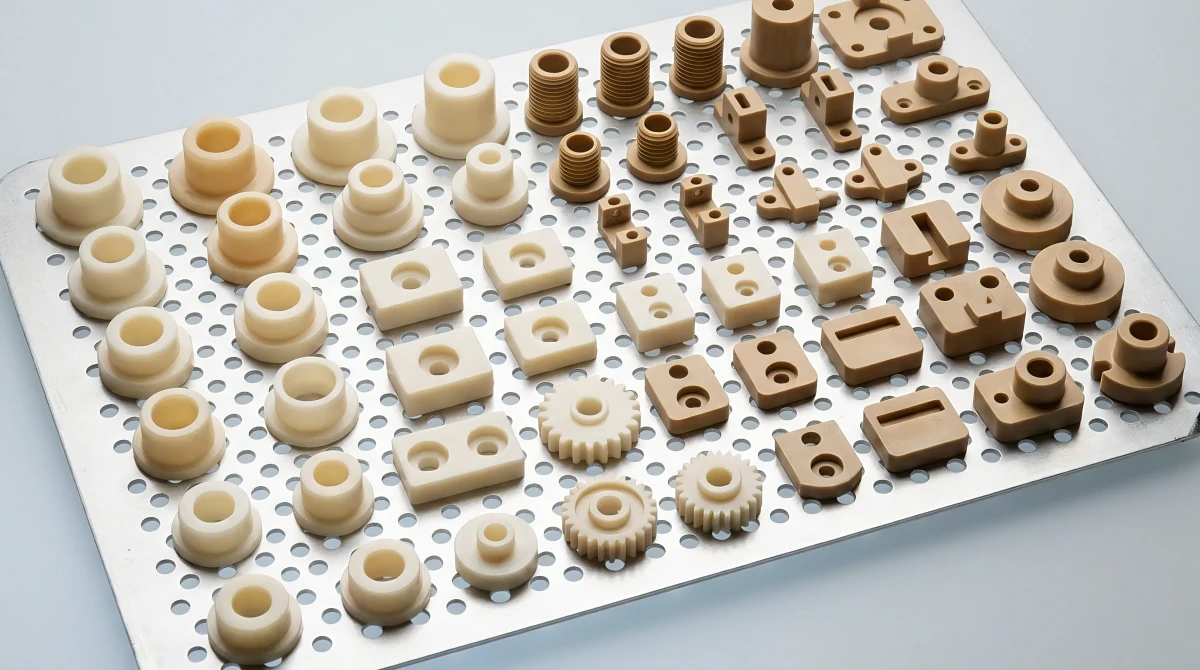
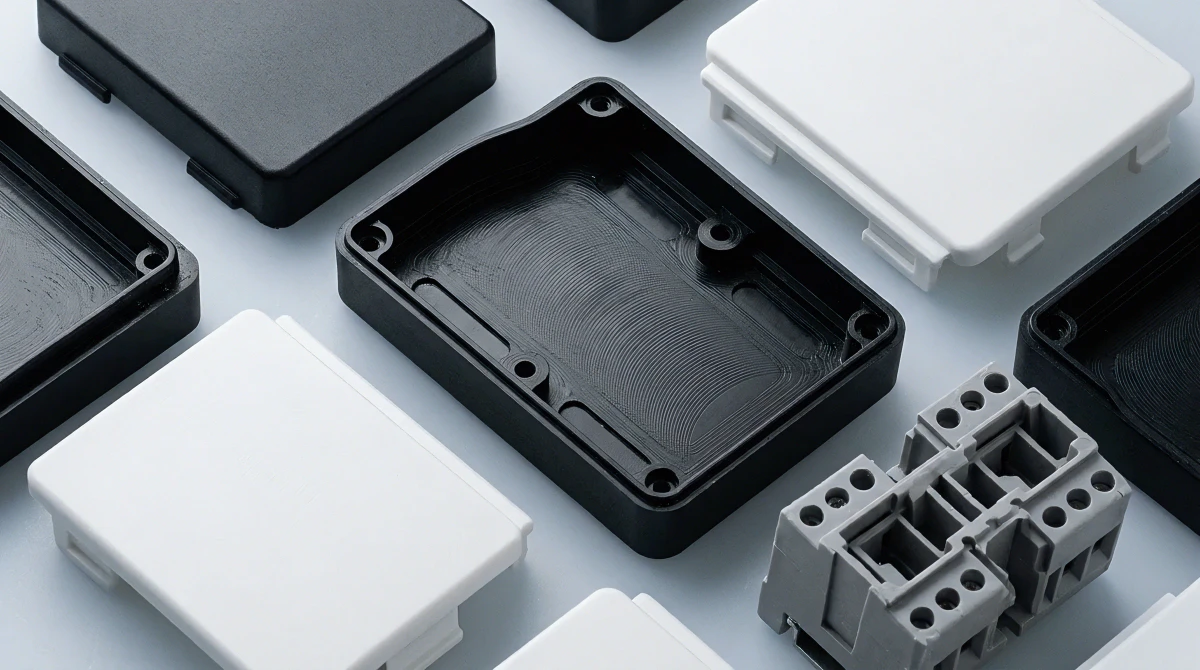
Color, for machined plastic, is part of what a material record covers and part of what heat changes on a finished surface. UL recognizes flammability by grade, color and thickness, so a color can sit outside a rating. Heat treatment can also color a part, as a mark of oxidation.Rating Scope
The UL 94 article states that a rating belongs to a grade, a color and a thickness. UL’s Yellow Card lists recognitions color by color, so procurement papers match the color of the actual part. A request line names the color supplied and checks that the record covers it, or covers all colors. Colorants appear on the same guide’s list of changes that can move a part out of the evaluated record.Read More
Heat Marks
Quadrant warns that a natural-colored part annealed in an air oven above 100 °C (212 °F) forms a colored outer layer. The cause is oxidation of a thin surface skin, particularly on nylon. Most of the time the finishing pass machines it away. Post-cured PAI turns dark brown in air from minor oxidation, and that layer carries its wear resistance. Finishing removes no more than 0.5 mm (0.020 in) of it, so the color stays.Ordering Effect
A less common grade, a custom color or an unusual size takes longer to source, the timing article notes. The sizing article files grade, color and lot together in the run record. The PEI article itself opens on a bar of amber PEI. A purchase order for polyethylene names the color if it matters.