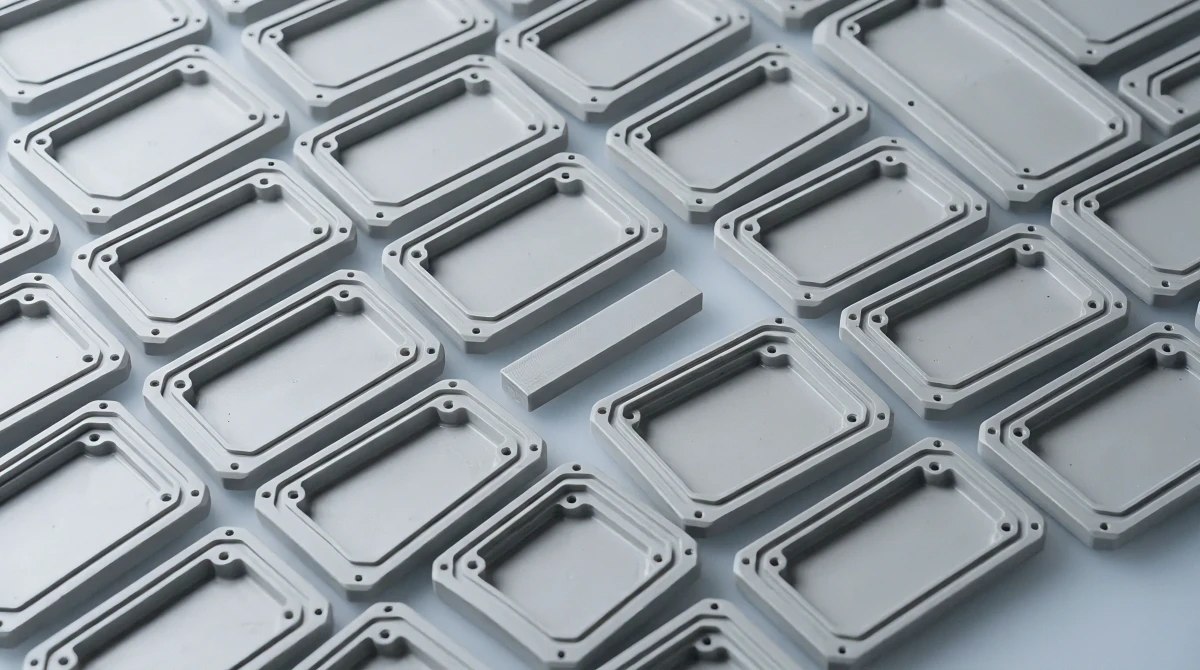
UL 94 V-0

UL 94 V-0 is the strictest vertical burn class in UL 94, for a bar that stops burning quickly and drops no flaming drips.

Every UL 94 V-0 article of the Plastic CNC Resources, newest first, each written from published standards, research and makers’ data.

Meaning

UL 94 V-0 is the strictest vertical burn class in UL 94, for a bar that stops burning quickly and drops no flaming drips. It is the rating printed for PEI on every sheet in these resources. It is a statement about a standard bar. A machined part and a finished product need their own evidence.

Pass Criteria

The vertical test applies a 20 mm (0.8 in) flame of about 50 W to the bottom of an upright bar. It does so twice, for 10 seconds each. UL tabulates the V-0 limits. Afterflame is at most 10 seconds per application and 50 seconds in total for five specimens. Afterflame plus afterglow after the second application is at most 30 seconds. Burning may not reach the clamp, and flaming drips may not ignite the cotton below. Where a figure matters, the standard governs.
Read More

Scope Limit

The same guide states that V-0 does not mean the material will not ignite, since the test begins by applying a flame. The rating does not cover smoke, toxicity, heat release, electrical performance or weathering. UL states that VTM-0, the thin-material class, is not equivalent to V-0.

PEI Rating

Ensinger rates its unfilled and 30 percent glass PEI stock V-0, with no thickness printed. None of the PEI entries prints a thickness.

Thickness Basis

A bare V-0 says nothing about the minimum thickness on which it was earned. A machined wall thinner than that thickness leaves the record and needs its own evidence. The UL article’s model request asks for V-0 at a minimum recognized thickness of 1.5 mm (0.06 in), with the record number attached.

A Flame-Retardant Machined Plastic Batch and Its UL 94 V-0 Record

A machined batch carries a UL 94 V-0 rating only through its record of grade, color, thickness, listing and lot, plus proof the shop cut it dry and thick enough.

What a UL 94 V-0 Record Covers for a Machined Plastic BatchThe record covers the material, not the part. Ensinger, a stock-shape maker, states that combustibility testing to UL 94 is generally performed on the raw material.
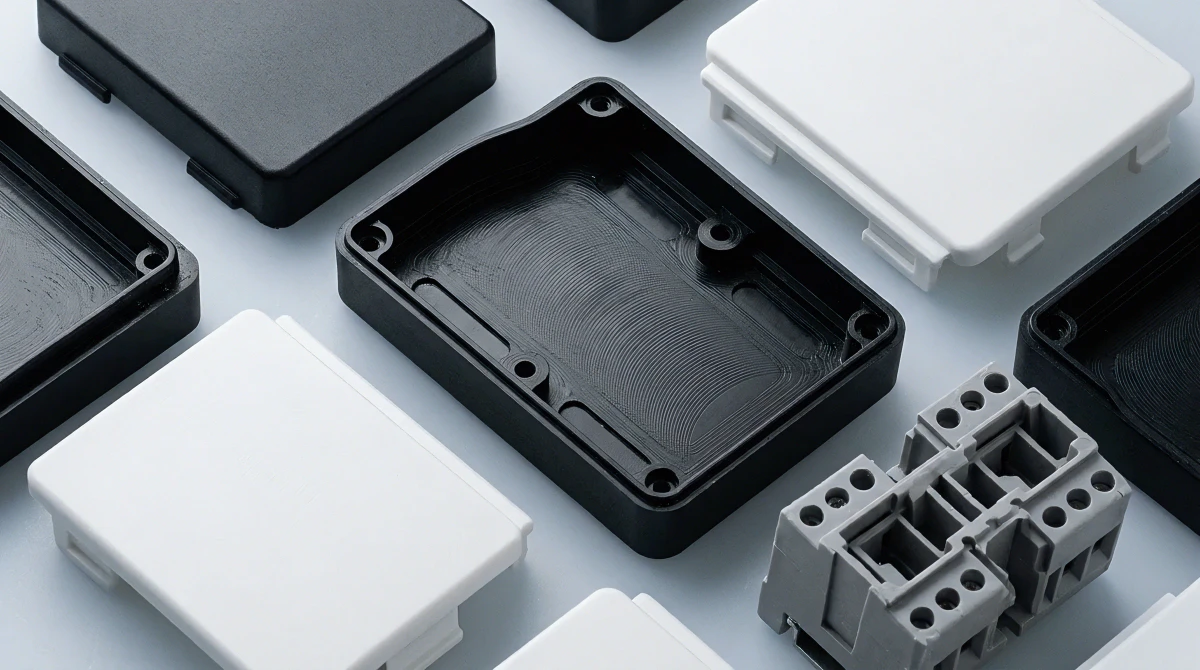
UL 94 Flammability Ratings for Machined Plastic Parts

A flame rating belongs to a material, a color and a thickness, so the call-out has to name all three and the machined wall has to stay inside them.

What UL 94 Covers and What It Leaves OutThe UL standards catalog lists UL 94 as Tests for Flammability of Plastic Materials for Parts in Devices and Appliances, in its seventh edition. Its scope states that the requirements cover tests for flammability of polymeric materials used for parts in devices and appliances, and that they serve as a preliminary indication of acceptability with respect to flammability for a particular application.

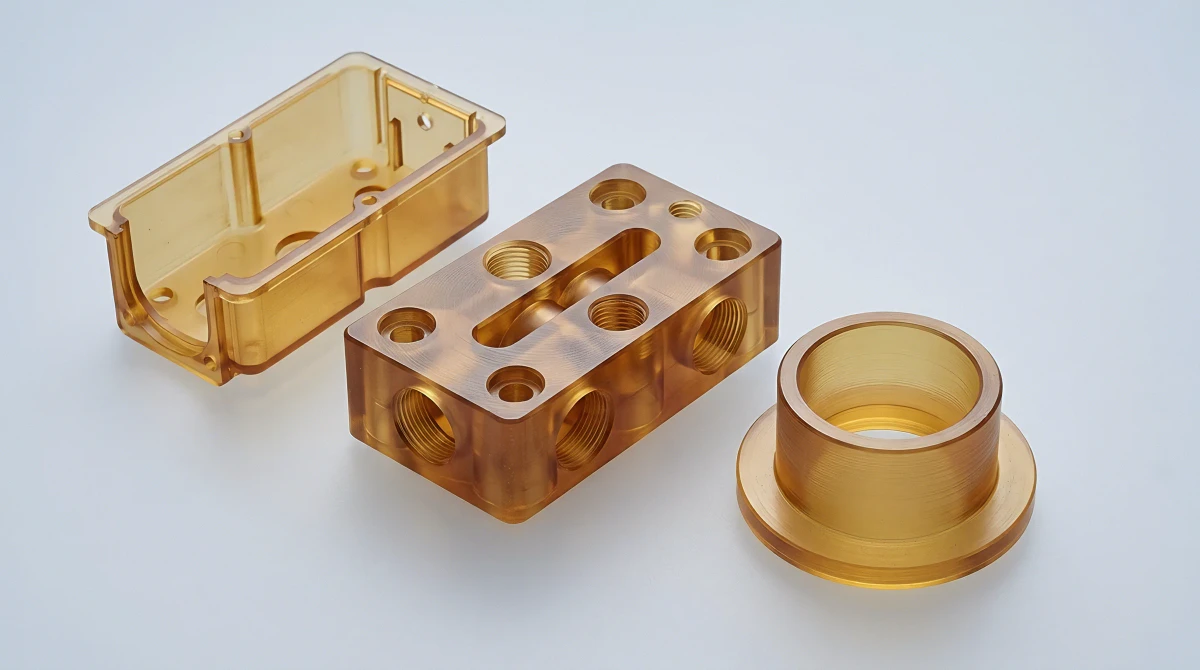
PEI Ultem Stock for CNC Machined Parts

PEI holds stiffness and shape at heat, and it asks for dry cutting, careful fluids and an annealing decision before the first part is cut.

PEI Ultem Properties for Machined PartsPolyetherimide, PEI for short, is an amorphous thermoplastic, and Ensinger, which extrudes it into rod and plate, notes that it is commonly referred to as ULTEM plastic after the resin's trade name. Ensinger describes the material as having high mechanical strength and rigidity, exceptional creep resistance over a wide temperature range and very good hydrolysis resistance, and as inherently flame retardant with low smoke emission, which makes it a preferred material for aircraft interiors.

Request a Plastic CNC Quote

Send the 2D drawing and the 3D file, with the quantity and the stage of the project. An engineer replies within 1 working day.

The quote form, the mutual NDA and the private folder for your files are on Protolis Atelier, with Plastic CNC chosen.

Request a Quote